“Do not forget to send the elevator back down. If you are going to find great success, remember the people who didn’t find it as lucky as you.”
– Tim Gannon
Table of Contents
Tim Gannon: The Adventurer Who Bet on Himself
Some people inherit a map. Others draw their own. Tim Gaand nnnon belongs firmly in the second category. His life is a testament to what happens when relentless optimism meets an unshakable refusal to settle.
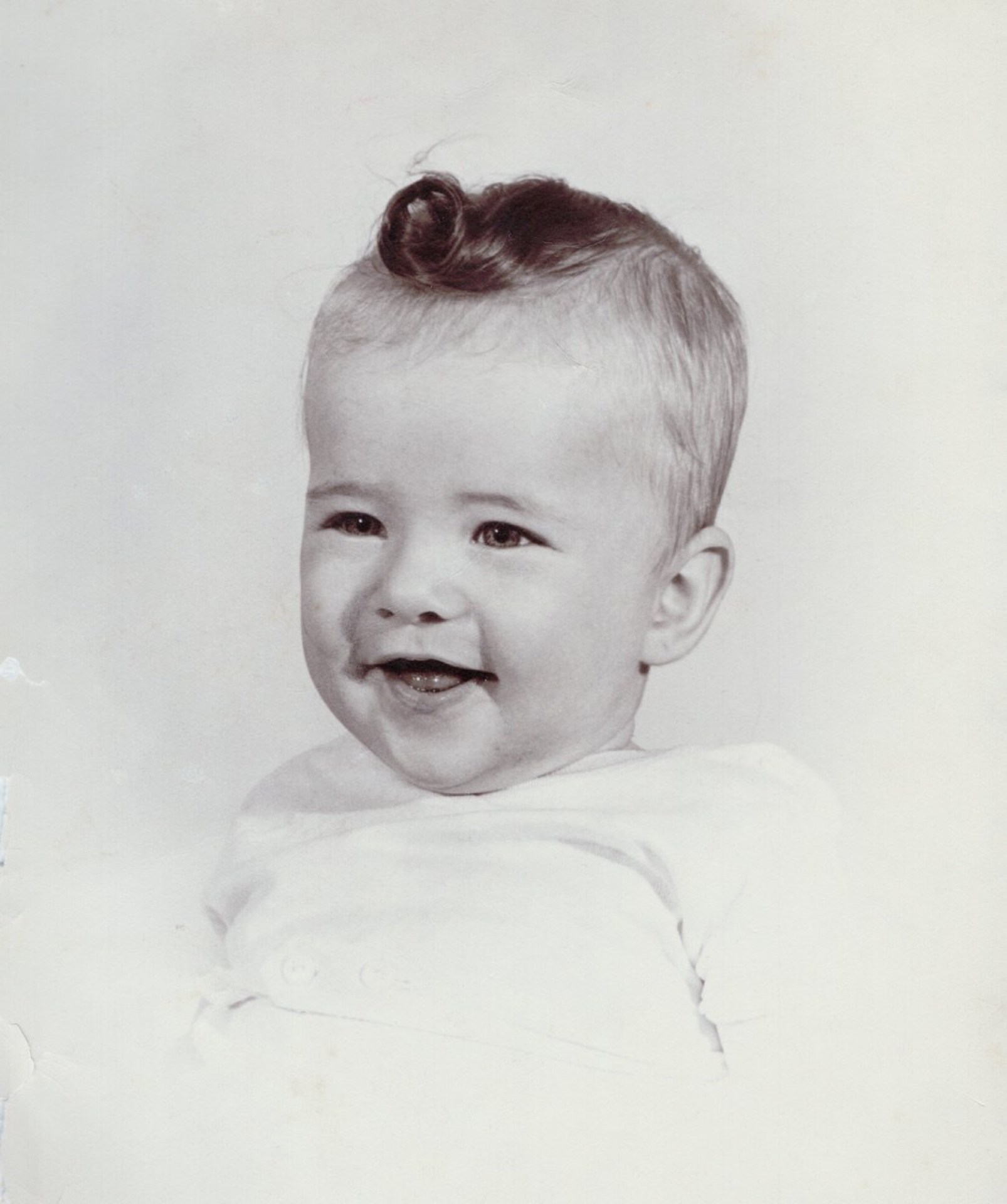
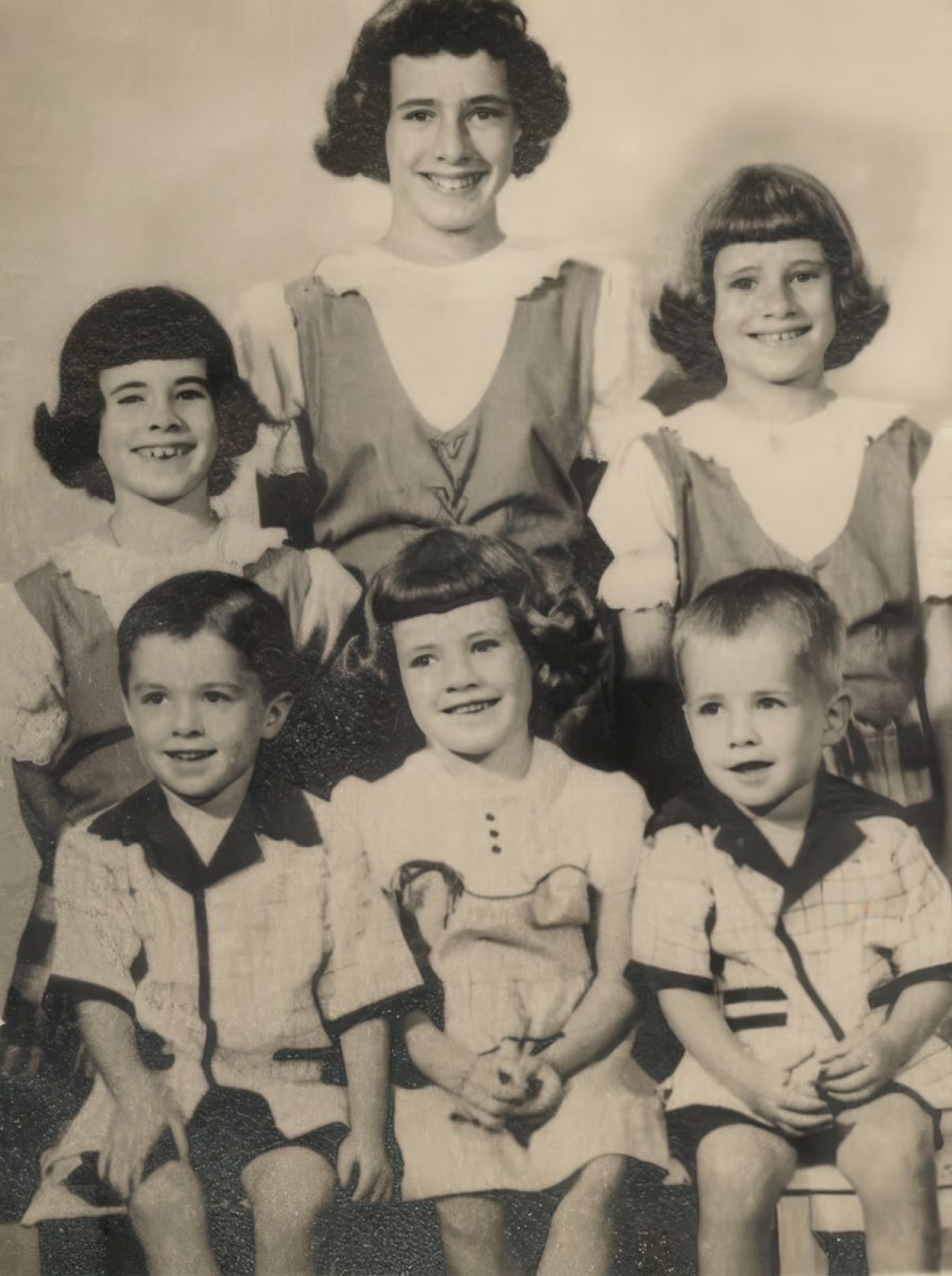
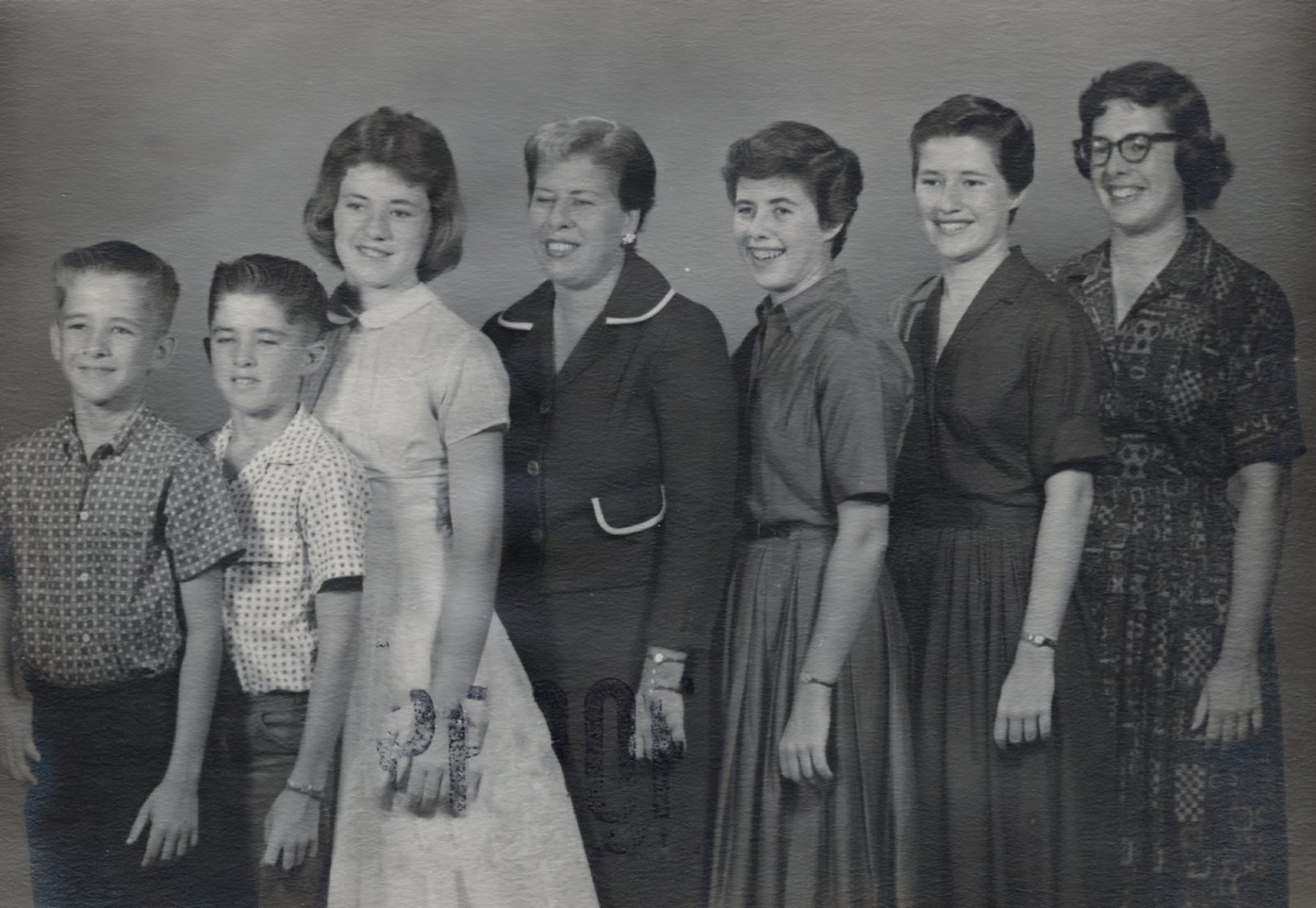
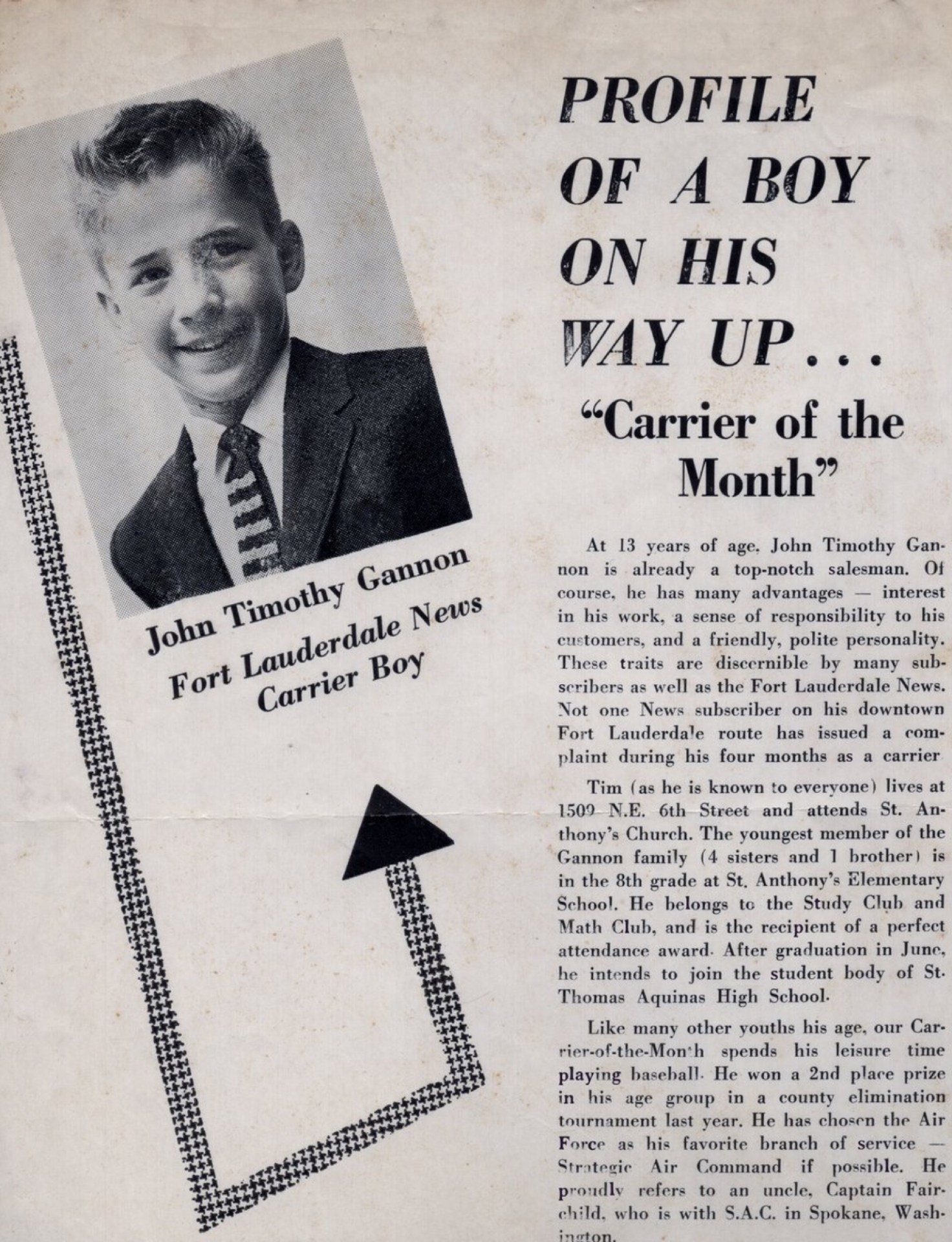
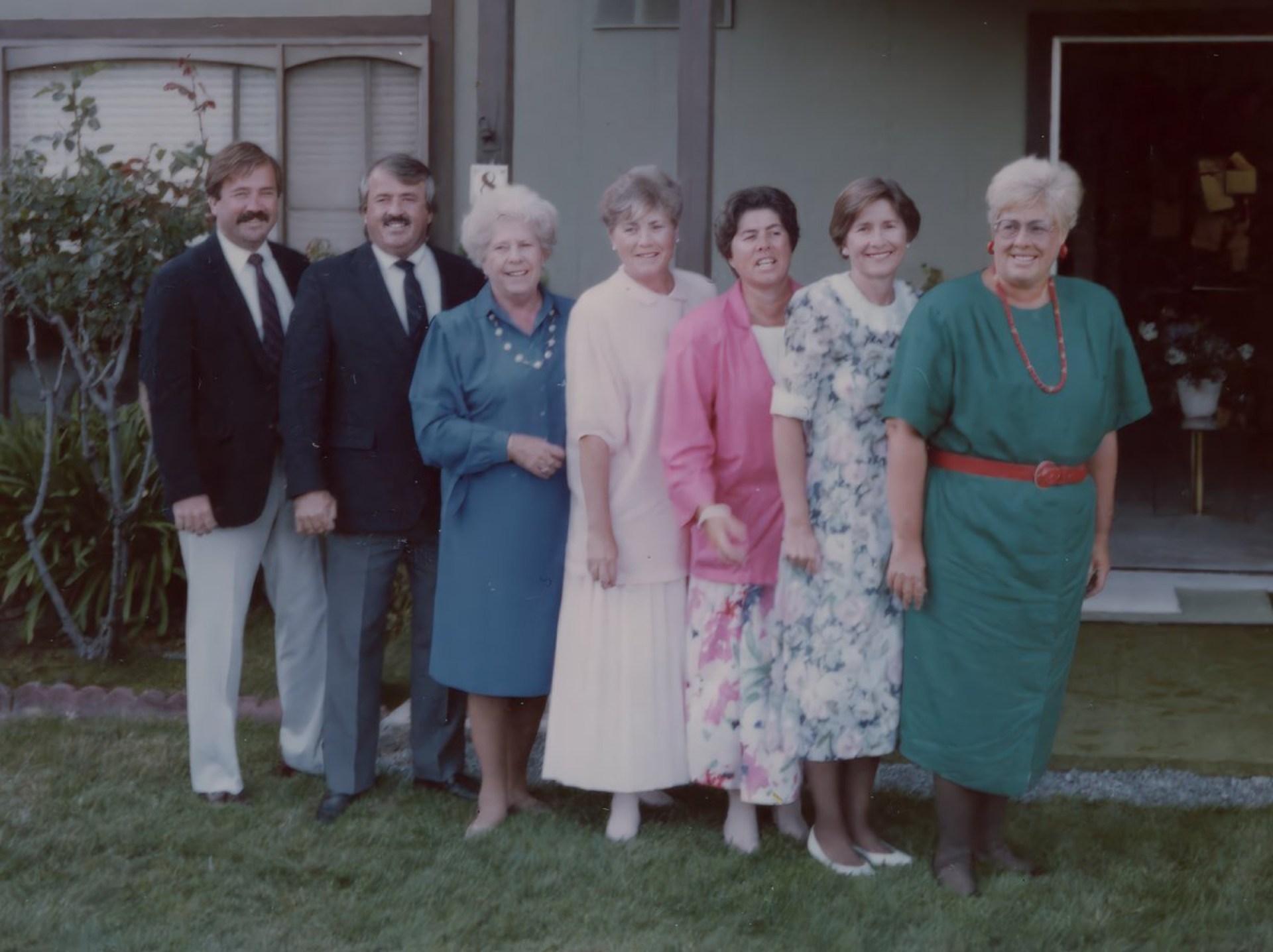
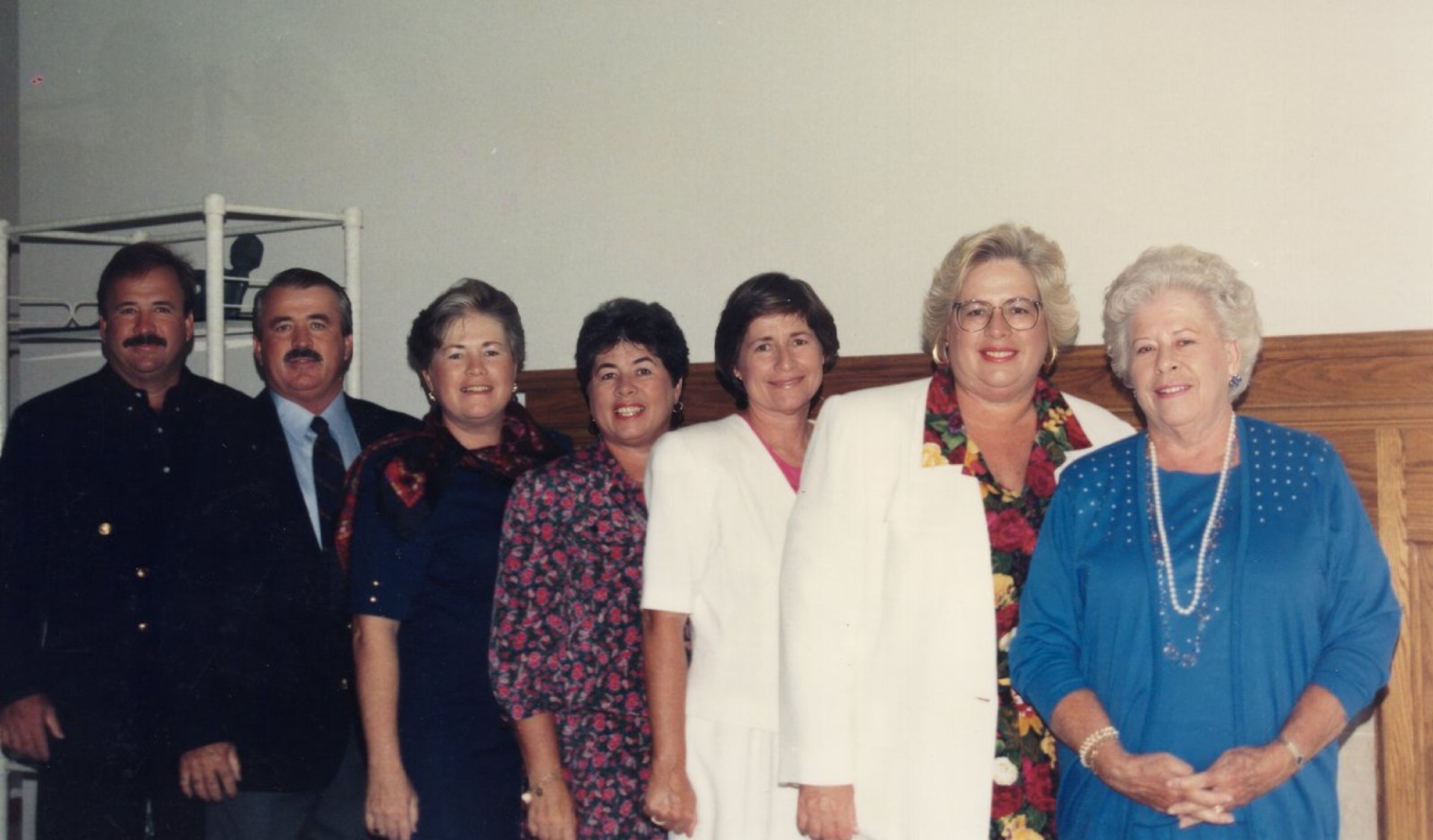
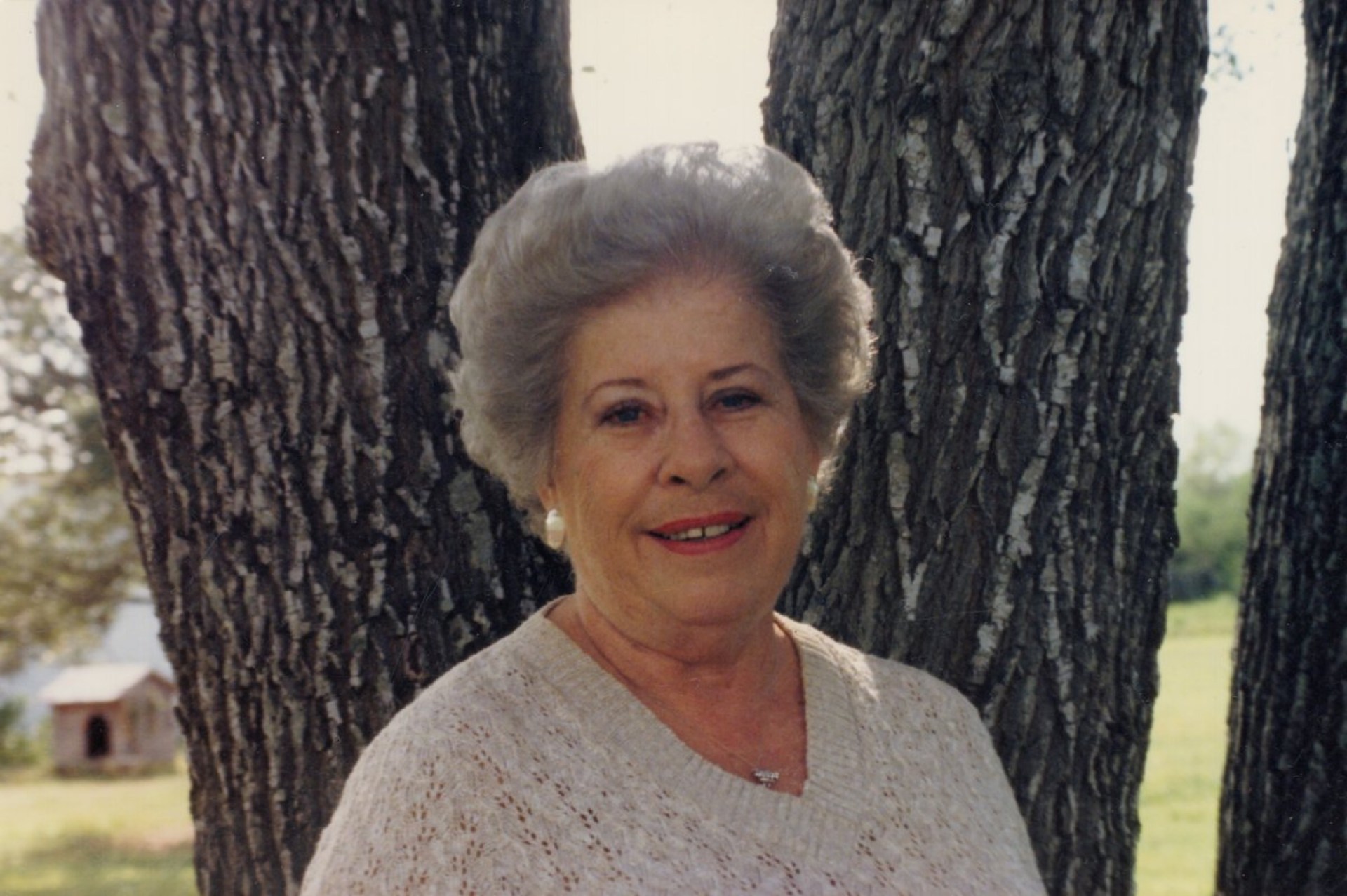
Born John Timothy Christopher Gannon in Fort Lauderdale, Florida, he was the youngest of six children raised by a single mother. His father, a professional boxer, left the family when Tim was very young. His mother came from a distinguished lineage. Her father served as the chief interrogator at the Nuremberg trials and was a prominent attorney who wrote the original NFL documents with George Halas.
But the family Tim grew up in was not one of privilege. His mother was a social worker. His four sisters became teachers, principals, and social workers. His brother became a fire captain and head of underwater dive rescue. They were a family of do-gooders, people who gave everything to help others but never had much money themselves.
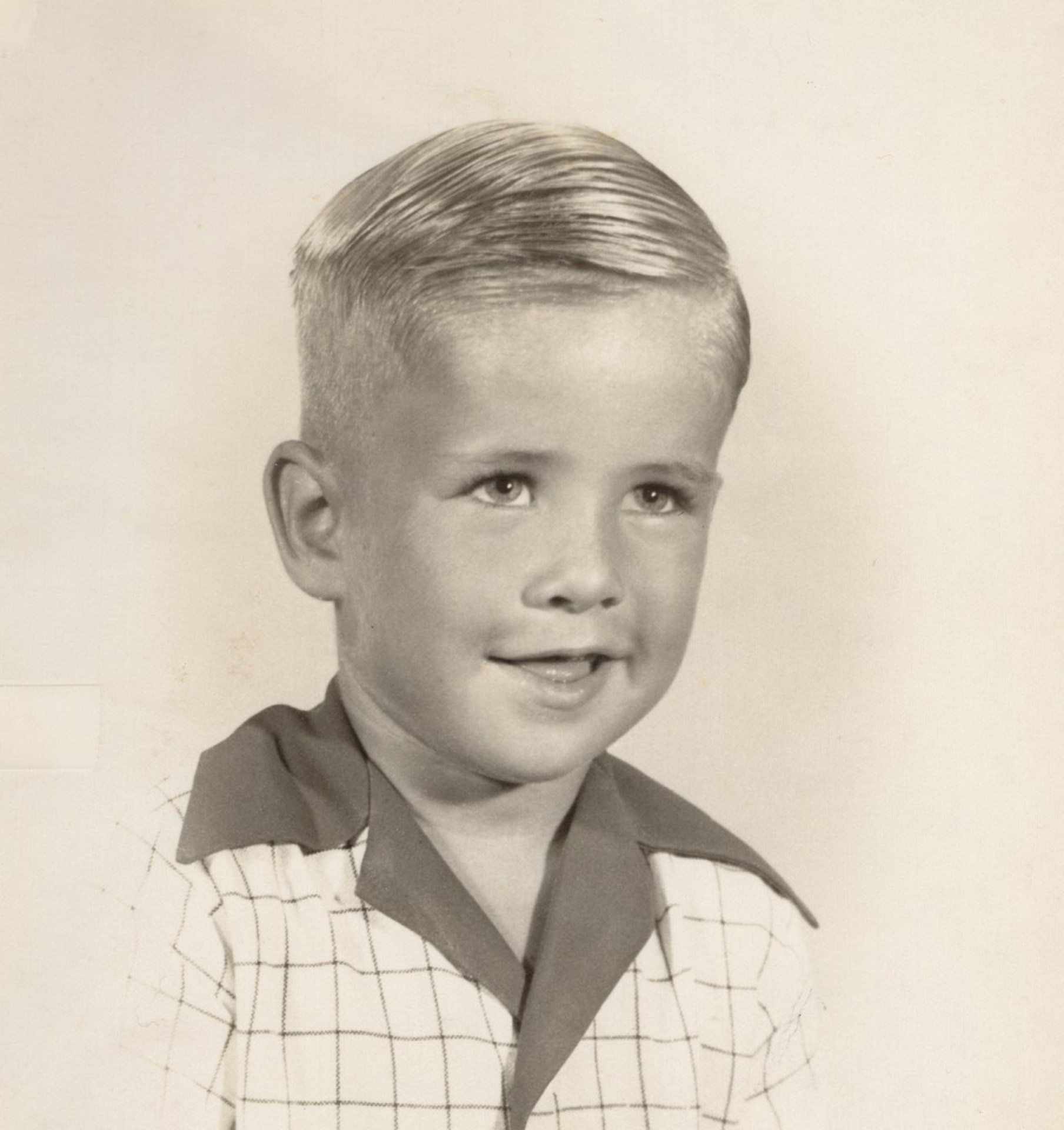
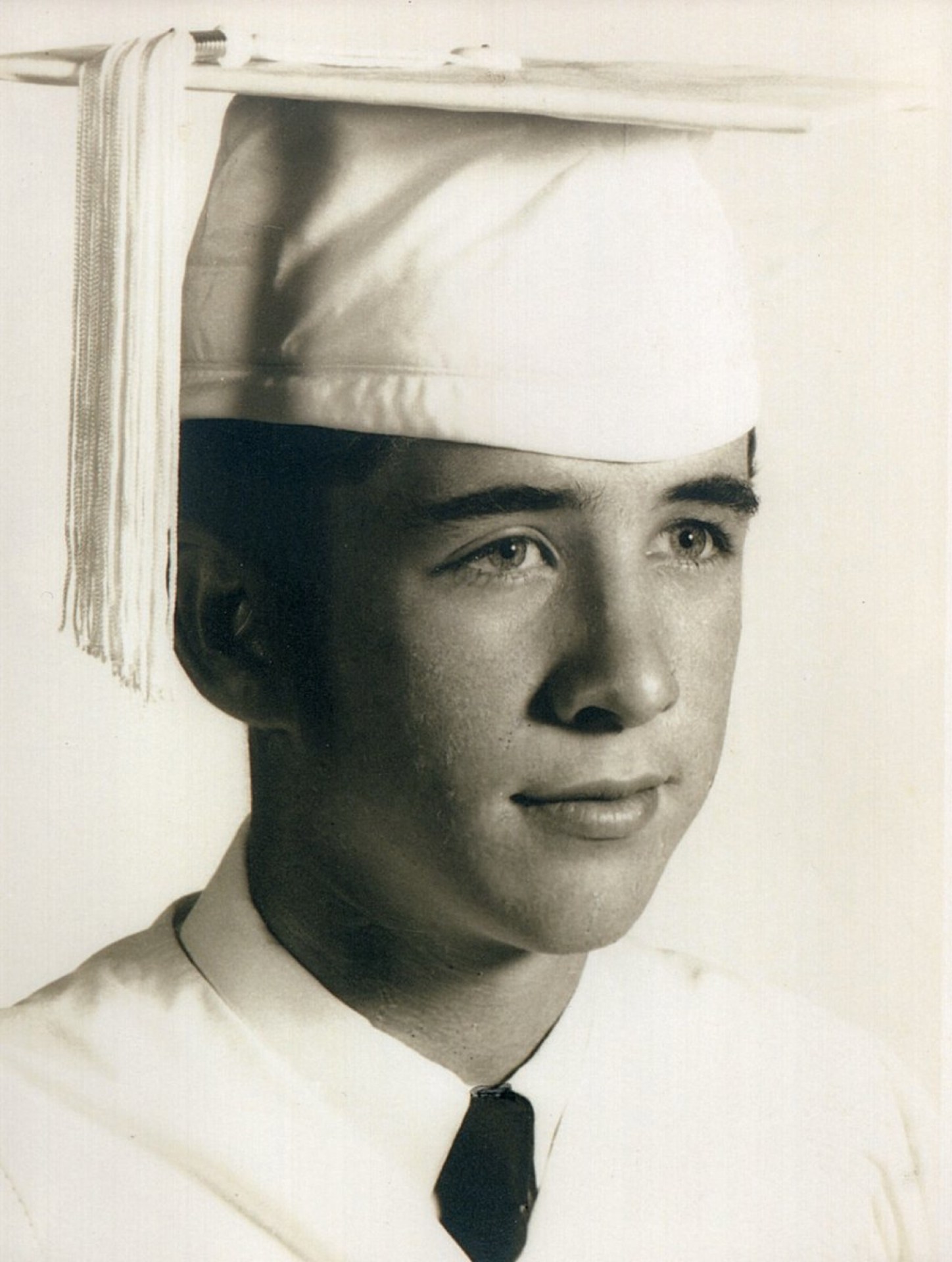
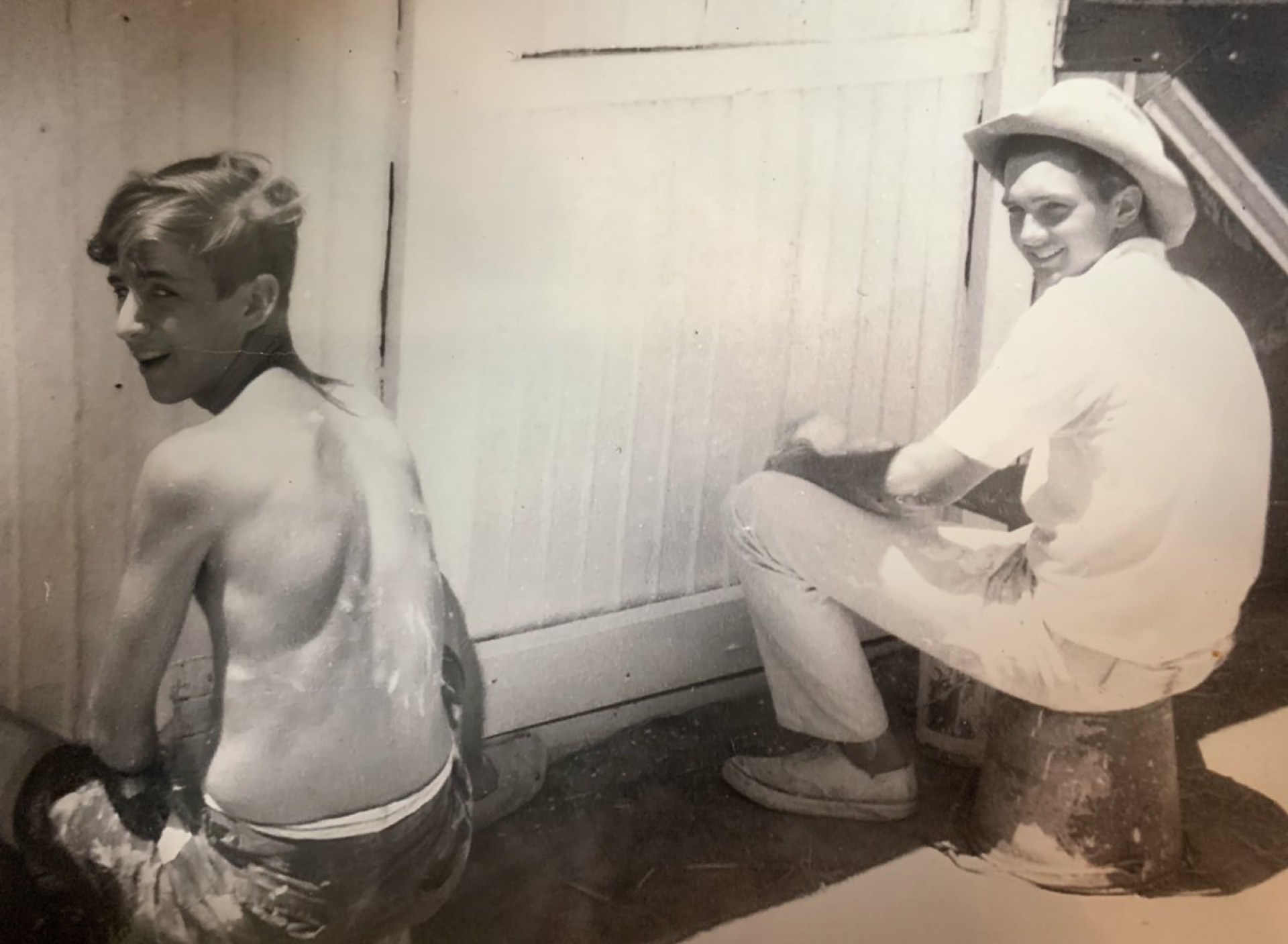
Tim took a different path. From the age of nine or ten, he was selling newspapers. Through high school, he parked cars at the Mai Kai restaurant in Fort Lauderdale. He was not an athlete. He was not a scholar. But he was a worker, and he was watching the world with hungry eyes.
In third grade, he made his first act of self-invention. He walked into school and started signing his papers Tim instead of John. No legal change. No permission. Just a boy deciding who he wanted to be.
Florence and the Professor Who Changed Everything
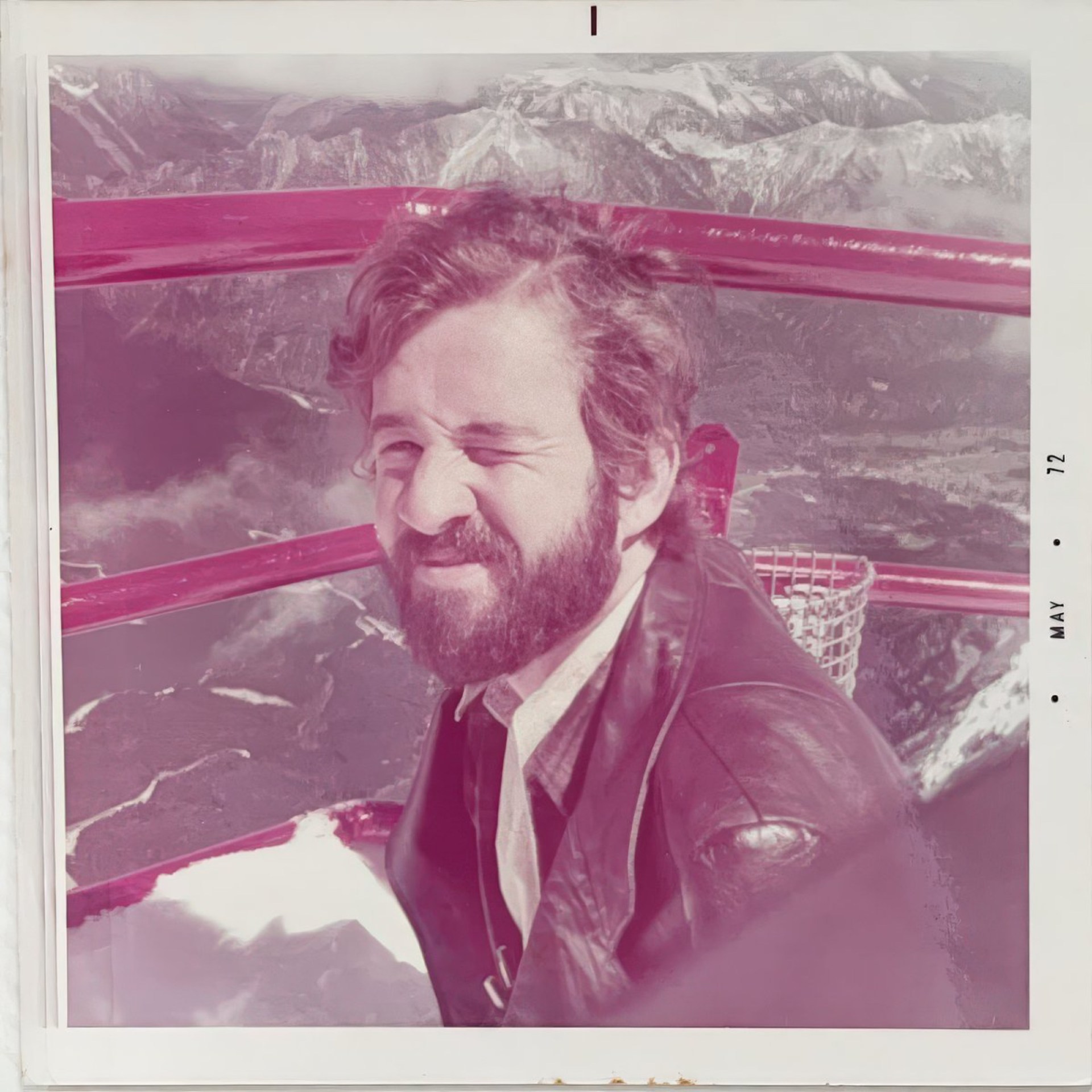
At Florida State University, Tim sat in an auditorium with four hundred other students and knew immediately that this was not how he would learn. Then he heard about a study abroad program in Florence, Italy, with one spot remaining. He took it without hesitation.
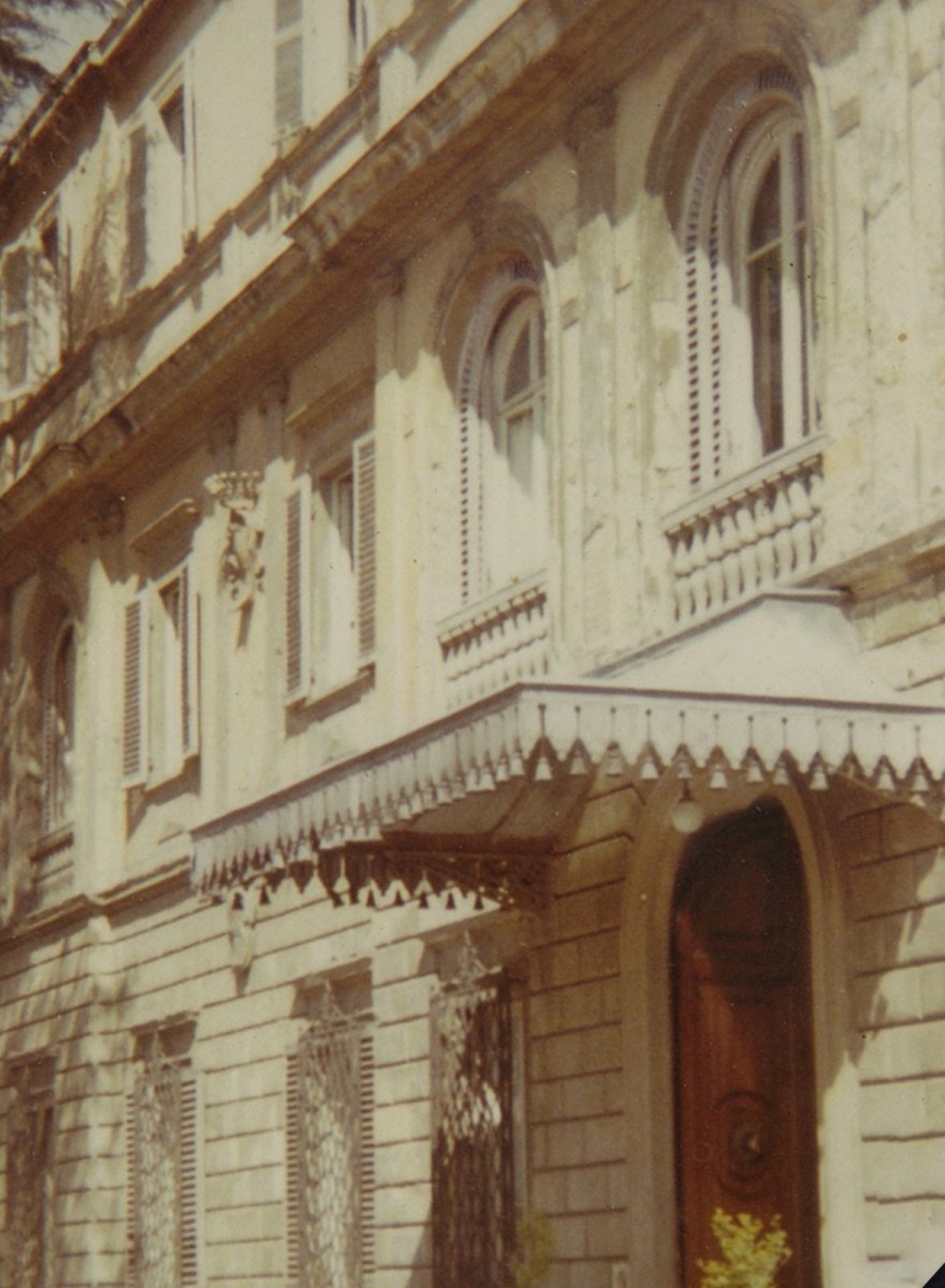
Living at Villa Fabricotti with a hundred students, Tim discovered a professor named Fred Licht, the curator for the Guggenheim in Venice and one of Peggy Guggenheim’s most trusted advisors. Fred spoke nine languages fluently. For a young man who had grown up without a father, meeting someone of such extraordinary intellect and worldliness was transformative.
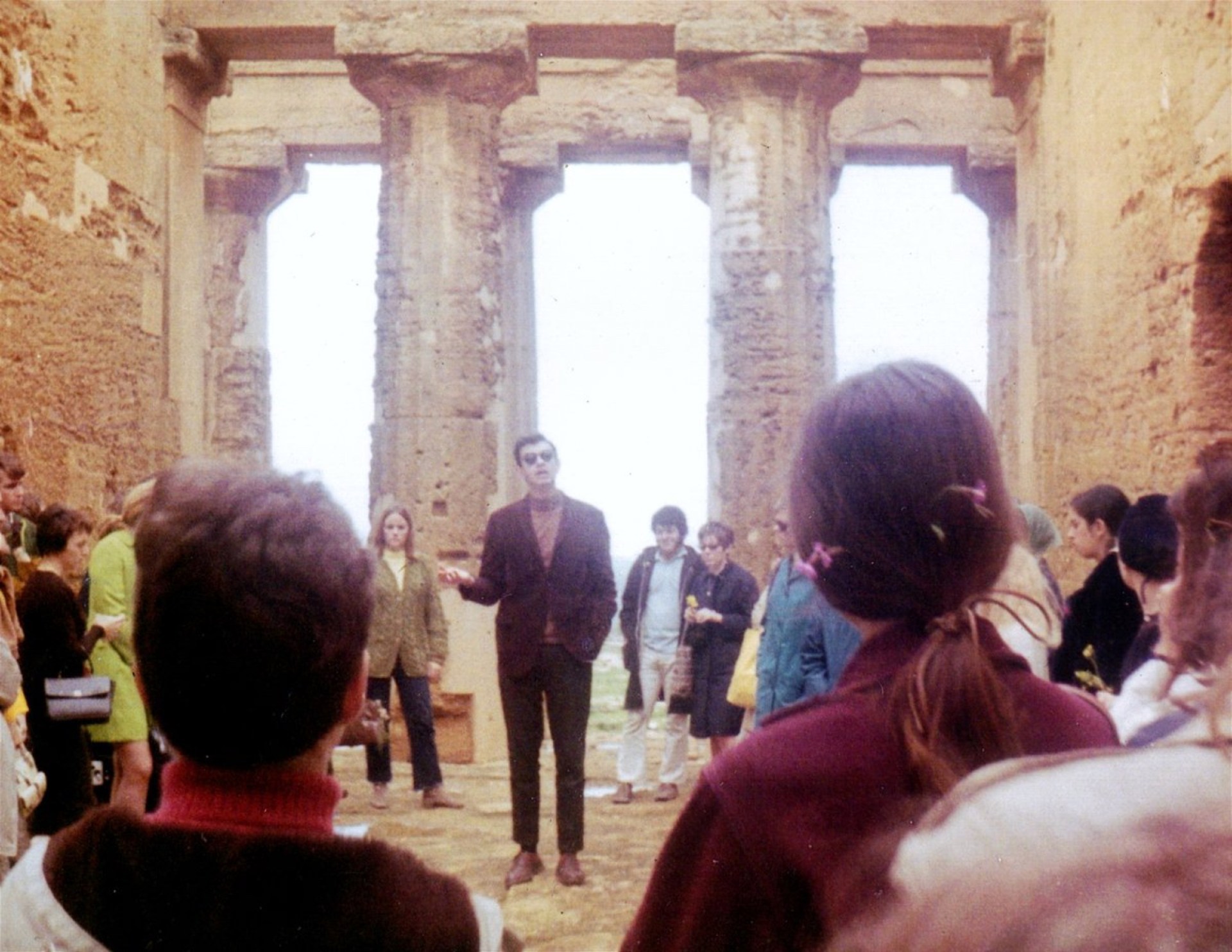
Tim took every one of Fred’s courses. He stayed on what was supposed to be a six-month program for nearly three years. When he ran out of courses to take, Fred let him design his own. One that Tim created was on Italian burial pieces and tomb sculpture, exploring how civilizations from the Egyptians to the Greeks treated death and remembrance.
The transformation was remarkable. A student who had barely qualified for admission to Florida State was now, at twenty years old, lecturing on Botticelli in the Uffizi Gallery, one of the greatest museums in Europe. Fred had secured him permission from the mayor of Florence to lecture to American students as a way to earn money and stay in Italy.
Florence did not just educate Tim Gannon. It taught him that reinvention was always possible.

Aspen, New Orleans, and the Education of a Palate
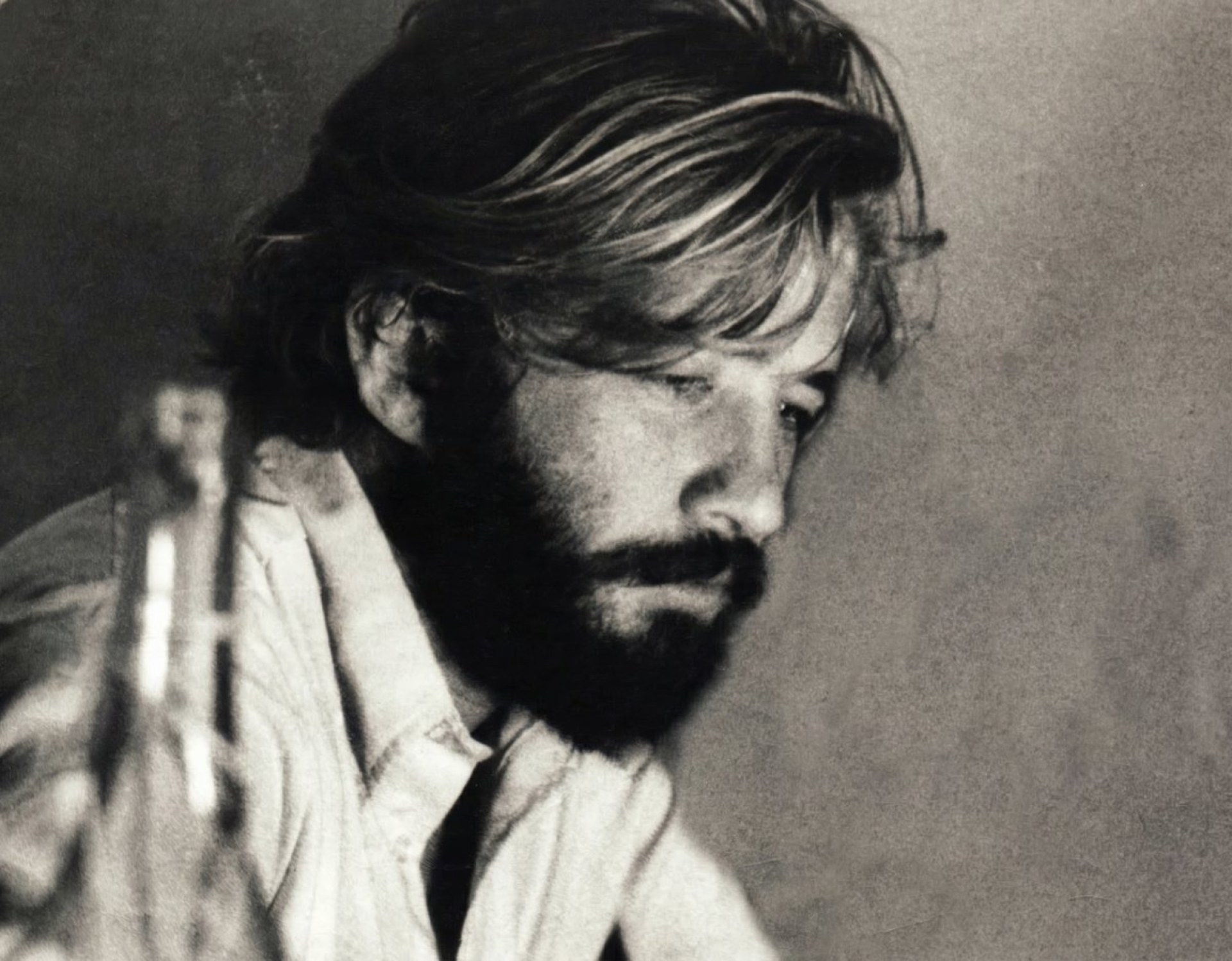
After Florence, Tim wanted to learn to ski. He had never seen snow. So he went to Aspen, Colorado, where his ability to speak French, picked up during a year in Paris, landed him a job at the Aspen Institute with a French chef from Marseille. The chef taught Tim French cooking. Tim taught the chef English. During the day, he skied the greatest slopes in the world.
But Aspen was a season, not a career. Tim moved to the Northeast, landing in New York during the 1973 gas embargo, one of the worst economic crises in a generation. No one was hiring. The restaurant business, however, was always looking for people willing to work.
He found his way to Norman Brinker at Steak and Ale. Norman was a polo player, an Olympic silver medalist in equestrian, and the chairman of the United States Polo Association. He was the first person to put a salad bar in a restaurant. For Tim, Norman became the first in a line of extraordinary mentors.
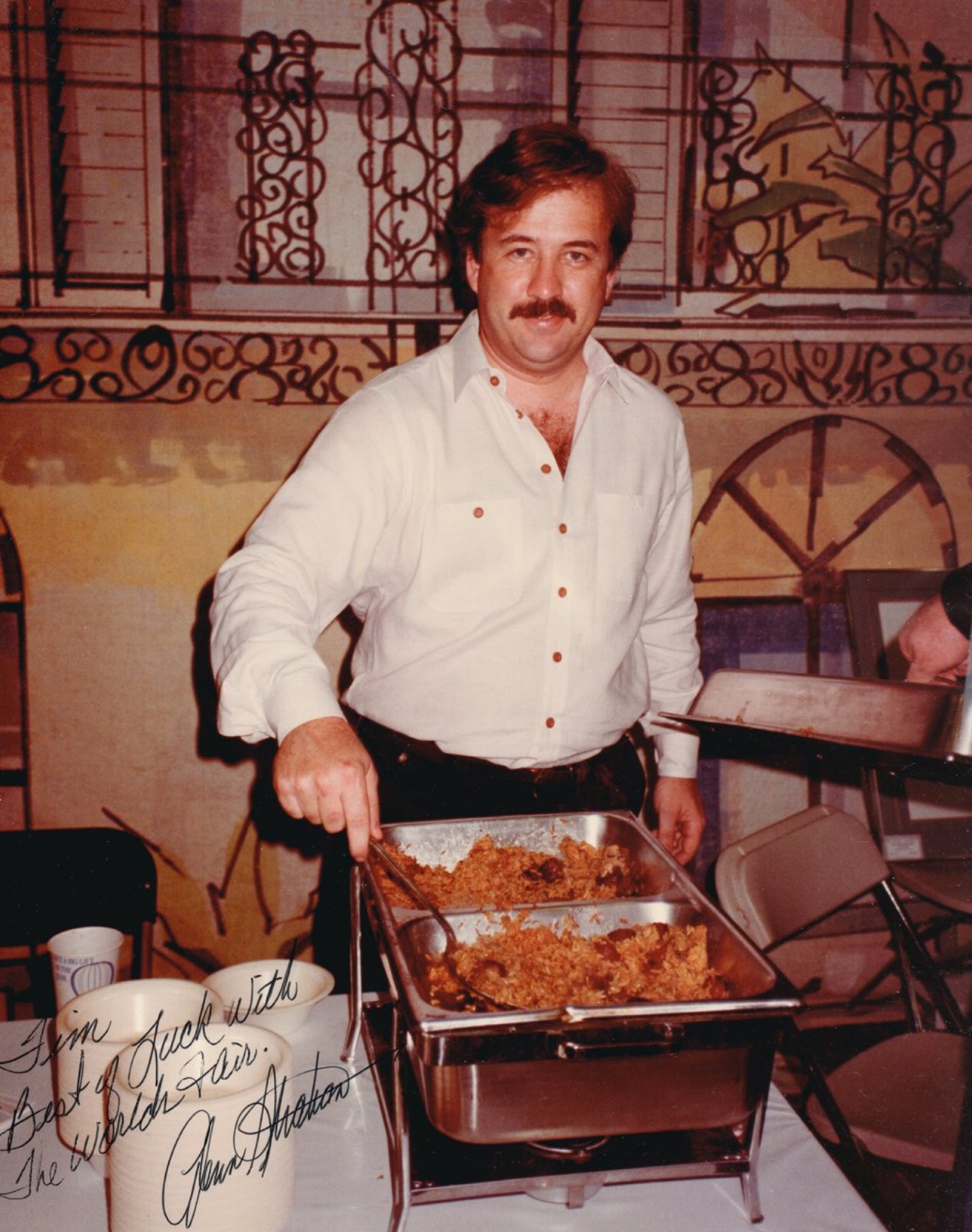
From Steak and Ale, Tim transferred to New Orleans and fell in love with the city. For ten years, he immersed himself in a world of spices, seasonings, jazz, and culinary creativity. He spent five years with Steak and Ale, then five years working directly with Al Copeland, the founder of Popeye’s Famous Fried Chicken.
Under Copeland, Tim developed Copeland’s Cajun Restaurants, creating menus of blackened redfish, roast Cajun duck, and the dishes that would eventually form the foundation of one of America’s most successful restaurant chains. He recruited top chefs from across New Orleans, once famously walking out of the Popeye’s test kitchen, known as Biscuit College, carrying a commercial mixer with a chef he was trying to recruit. The stunt was caught on camera and got him in trouble, but it got him the chef.
Food and flavor had become Tim Gannon’s niche. What he needed next was the right partners.
The Million-Dollar Check
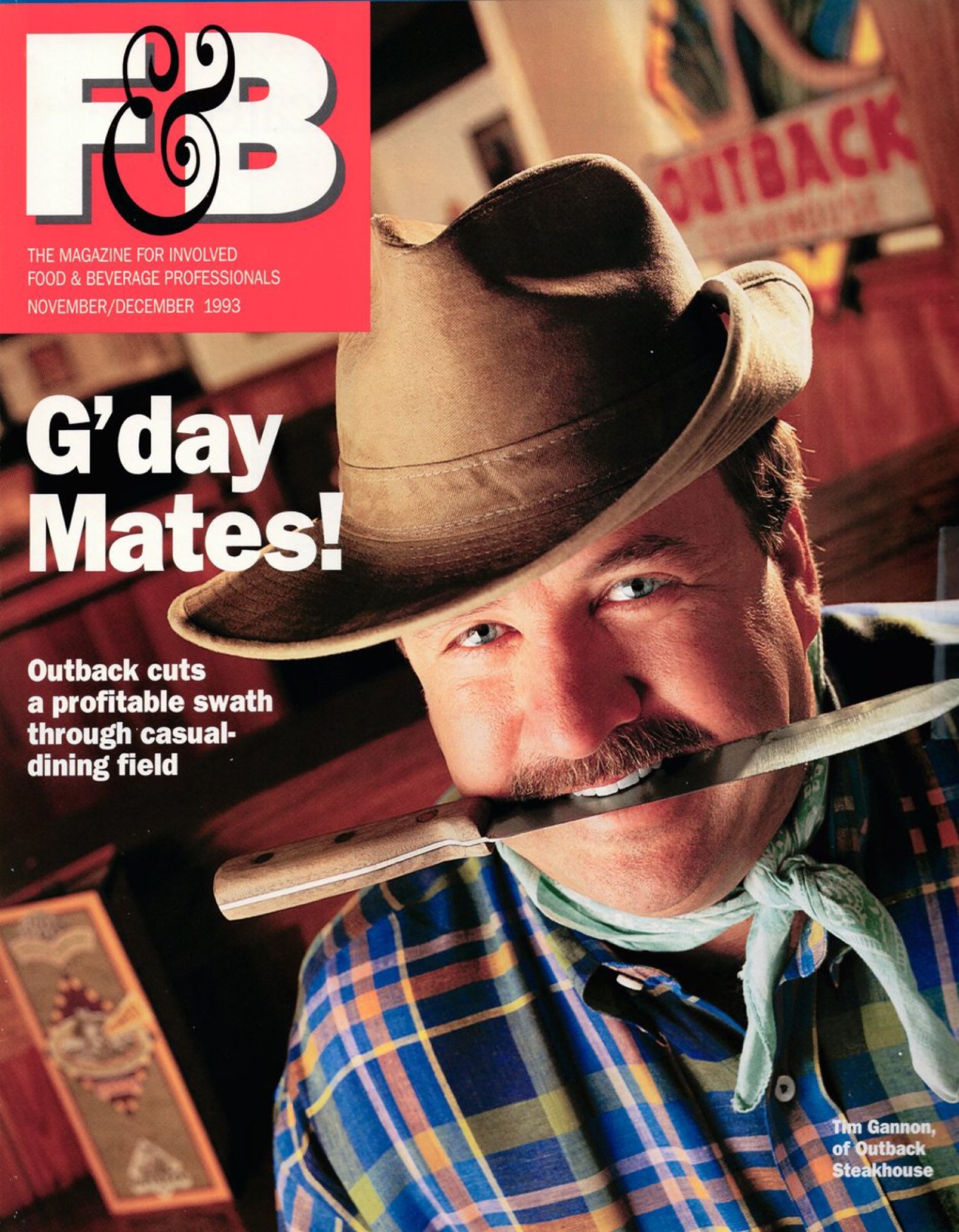
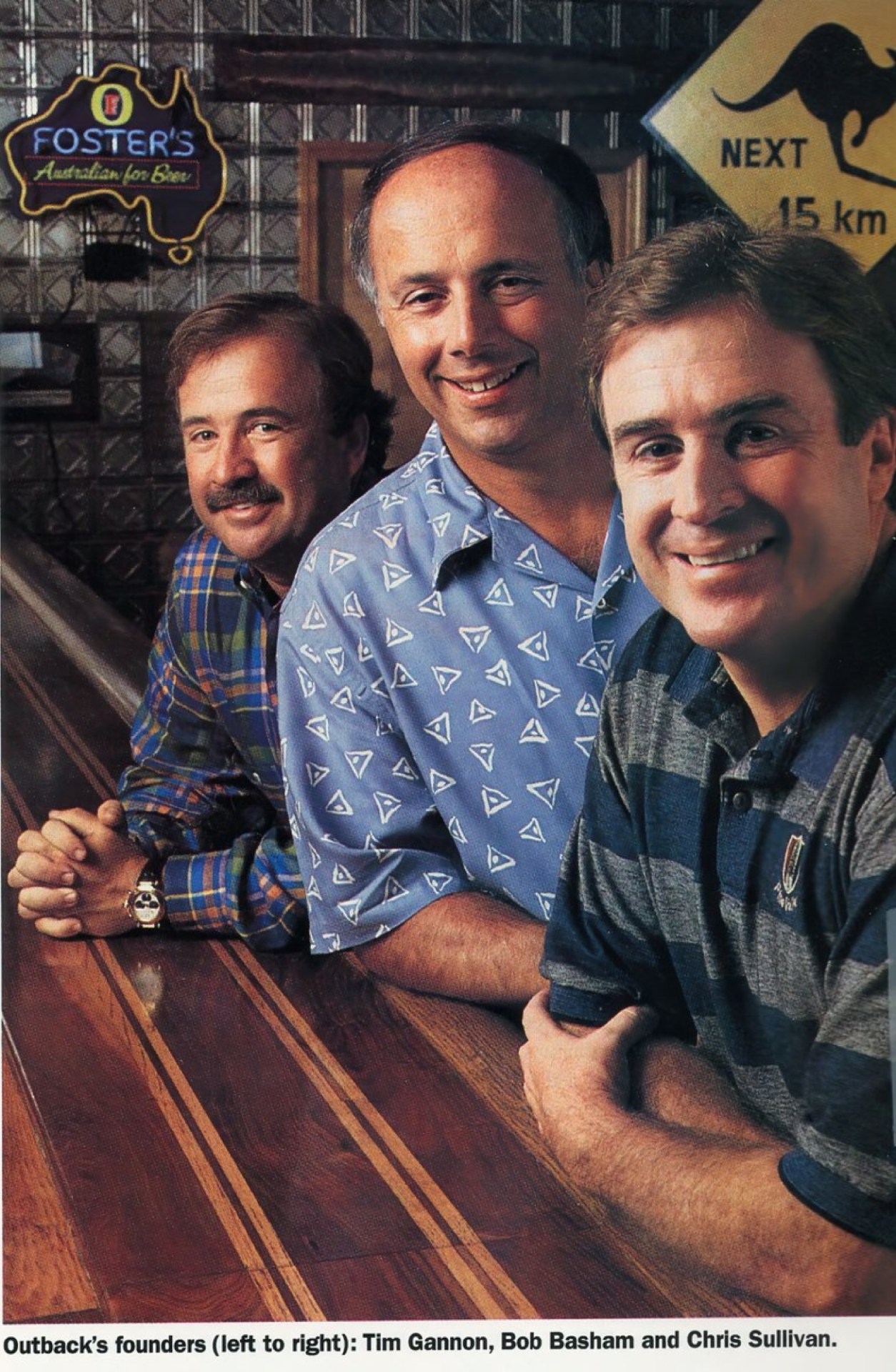
When Chris Sullivan, an old colleague from Steak and Ale days, visited Tim in New Orleans and tasted the Cajun popcorn shrimp, the cheddar and bacon balls, and the blackened redfish, the conversation shifted from catching up to building something together. Sullivan and his partners offered Tim an equity position with no investment required. Just bring the food.
Tim had to tell Al Copeland he was leaving. Copeland was not happy. He pulled out his checkbook, signed a blank check, and slid it across the table. As long as it does not go over a million dollars, he said.
Tim took the check to a corner and stared at it for twenty minutes. At forty years old, he had a quarter of a million dollars in debt at eighteen percent interest from a failed venture at the World’s Fair. He had a four-year-old and a two-year-old. That check would have erased every debt, bought a house, and created a nest egg.
He tore it up and handed it back.
That is not the way I am going to earn my money, he told Copeland. I am going to earn it with someone, not for someone. And that is why I have to leave you. Because I will always owe you that million dollars.
It was, by his own account, the most courageous moment of his life.


Find Your Velcro
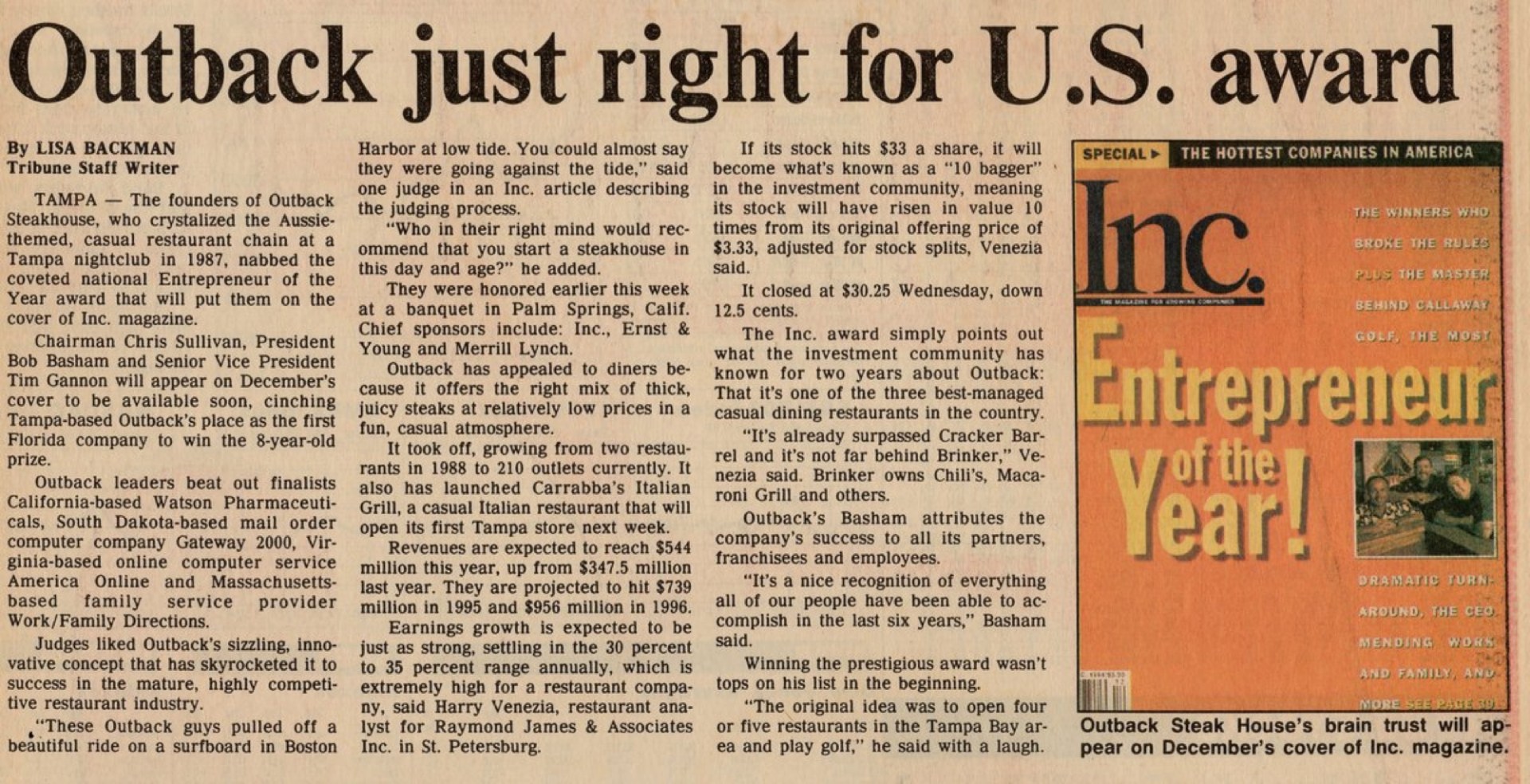
Tim arrived in Tampa after Thanksgiving with thirty-seven dollars in his pocket, having sold his lucky polo saddle for two hundred and fifty dollars to cover gas money. The dream of Outback Steakhouse was about to begin.
But the philosophy behind it started years earlier, with a story told to him by his best friend’s father, Bud Heatley. Bud told Tim about George de Mestral, a Swiss watchmaker who went hunting with his dog in 1948 and came back covered in sand spurs. De Mestral studied the tiny hooks and loops under a microscope, and the same year that DuPont created nylon, he recreated nature’s fastening mechanism in synthetic form. It became known as Velcro.
Tim kept a mental note pinned to the center of his forehead: Find your Velcro.
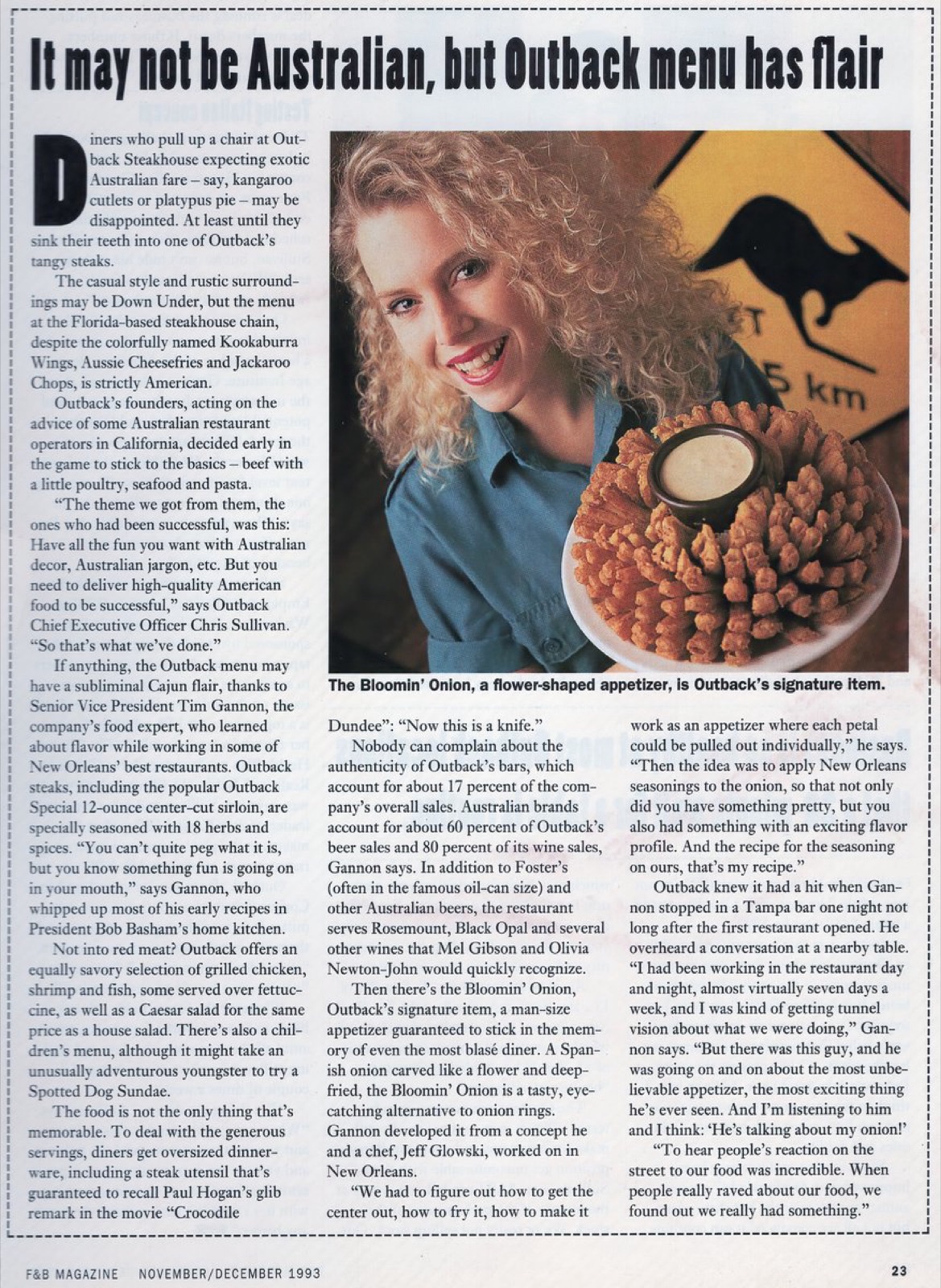
He thought he had found it in blackened redfish, but the fish was being overharvested and could not sustain a national restaurant concept. He needed a commodity that was cheap, plentiful, and timeless. The onion had not changed in price in decades.
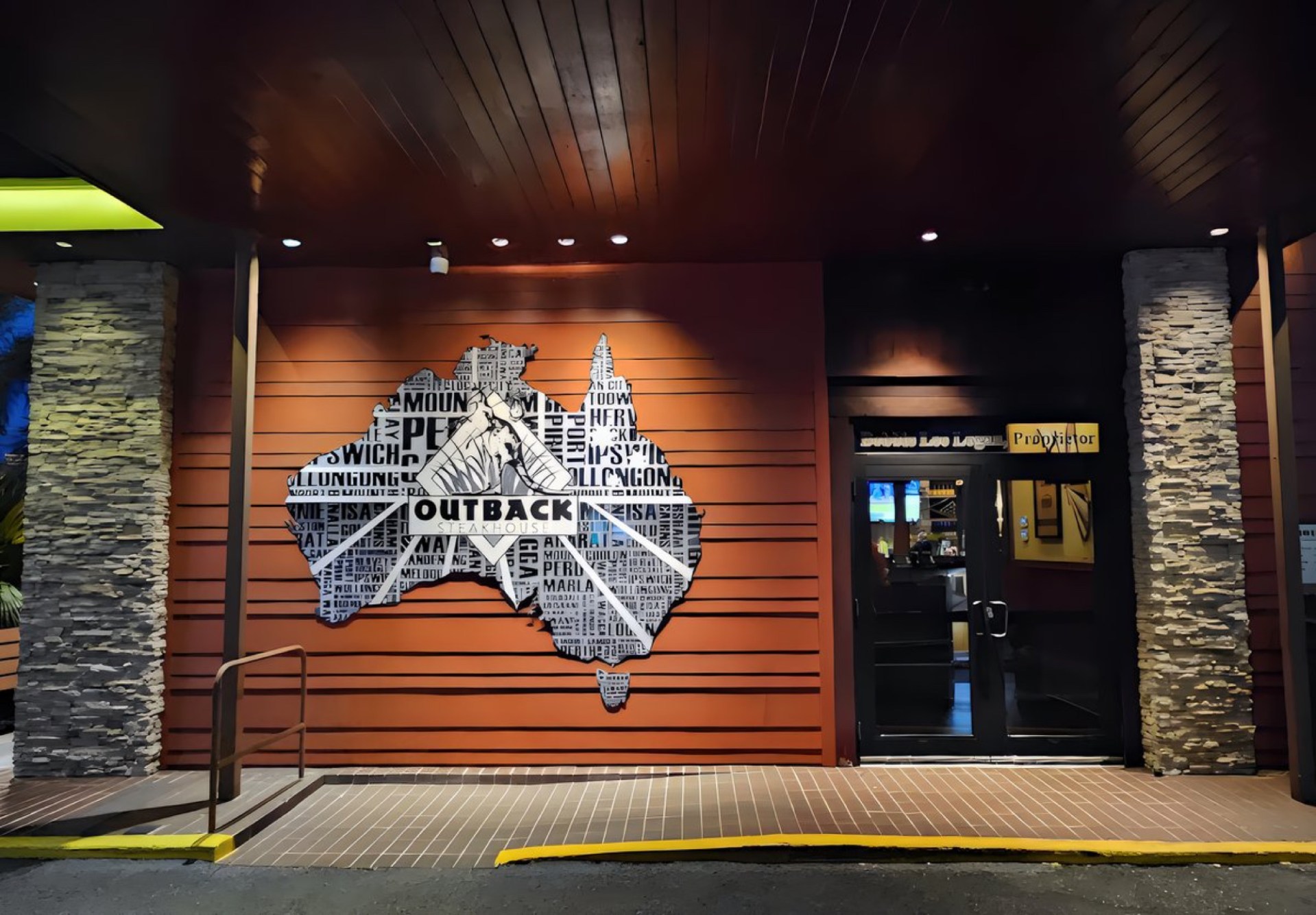
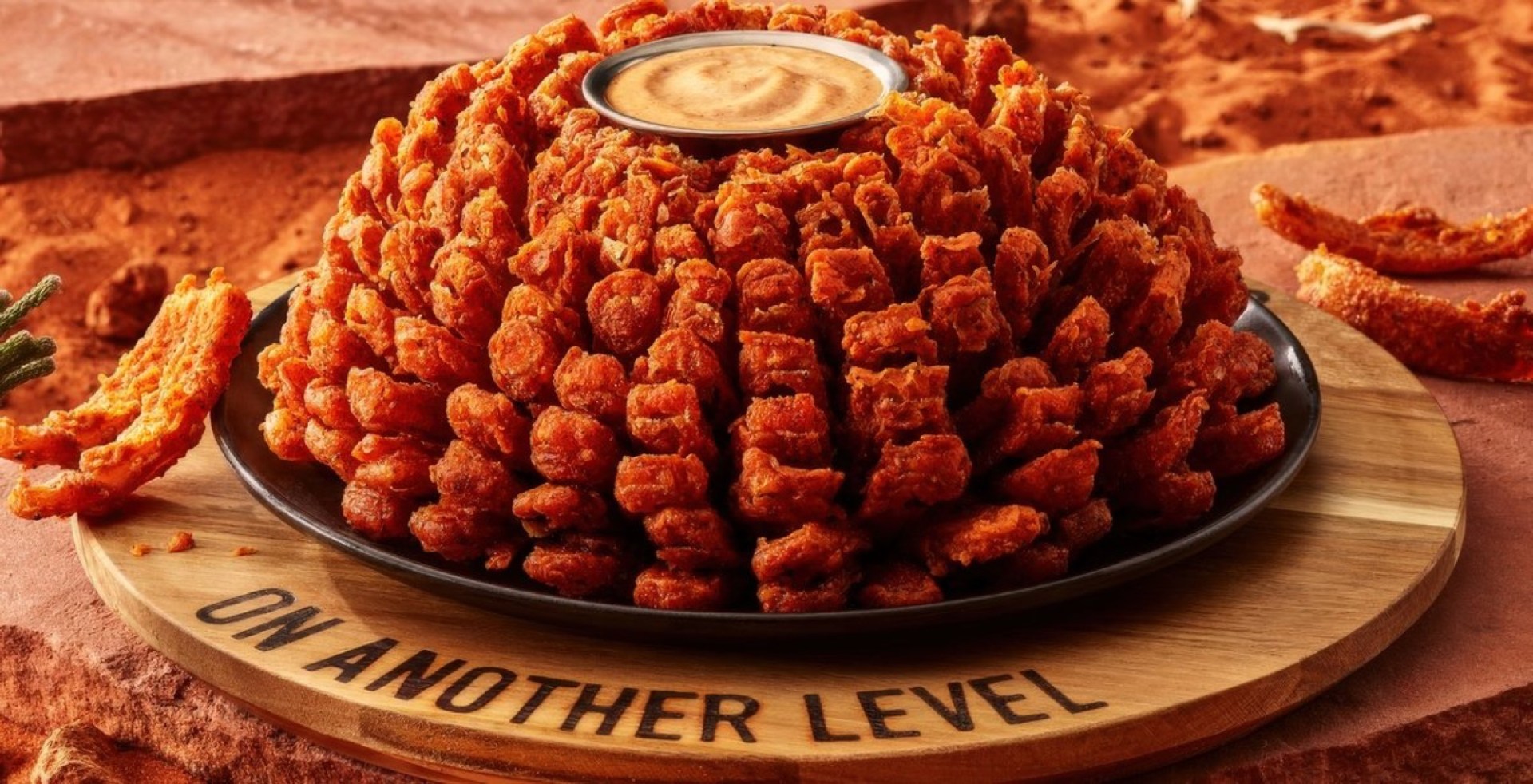
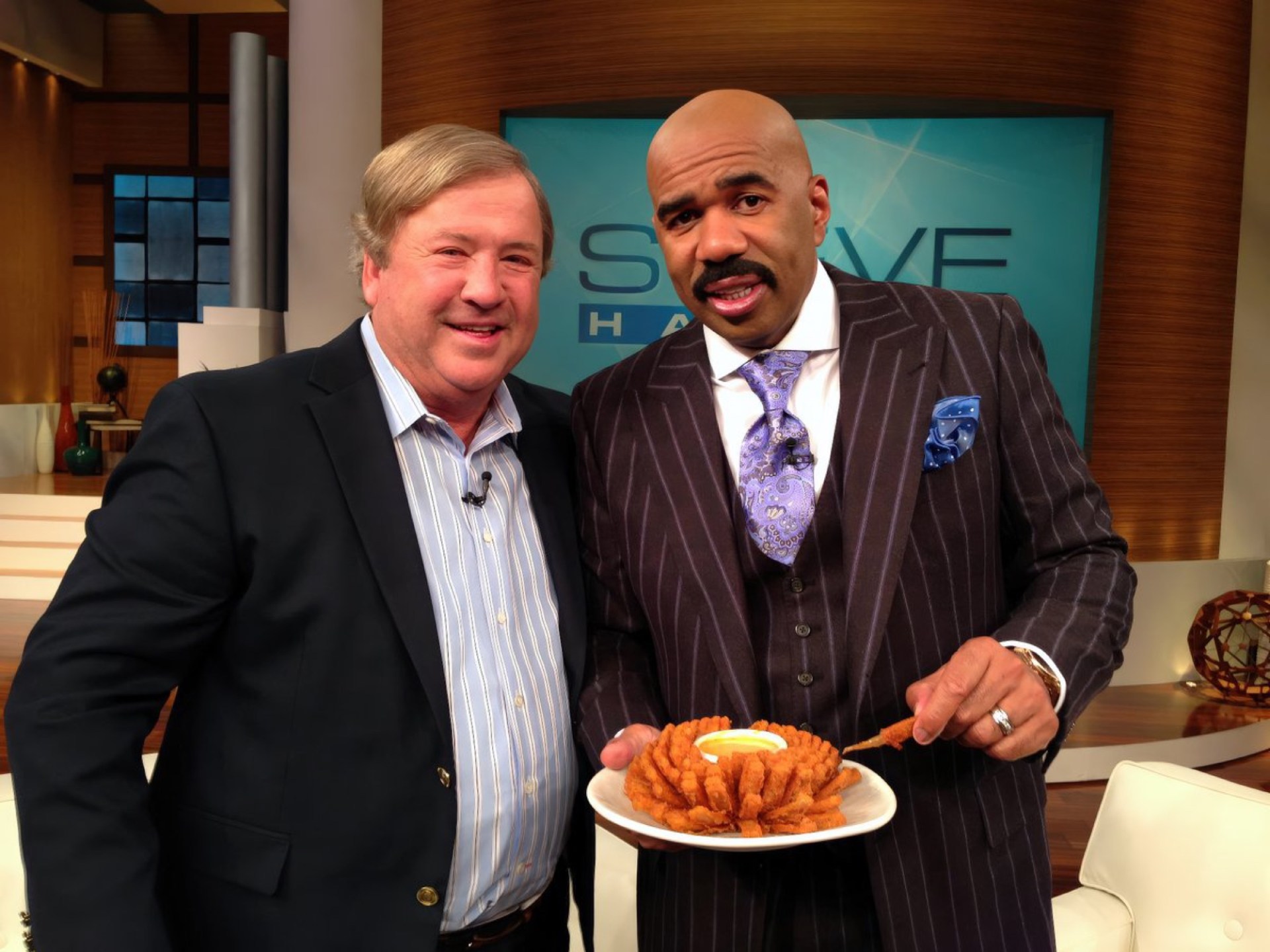
The Bloomin’ Onion was born from Tim’s mastery of heat and spice, principles he learned from blackened redfish. Cooking at five hundred and fifty degrees. Seventeen spices. A technique most kitchens would not attempt because of the smoke it produced. But when done right, it transformed one of the humblest vegetables into something extraordinary.
The Bloomin’ Onion has been the number one selling appetizer in casual dining for thirty-five years. It has generated over 1.2 billion dollars in sales. Tim knew, from the moment he made the first one, that he was going to be a polo player.

From the Kitchen to the Polo Field
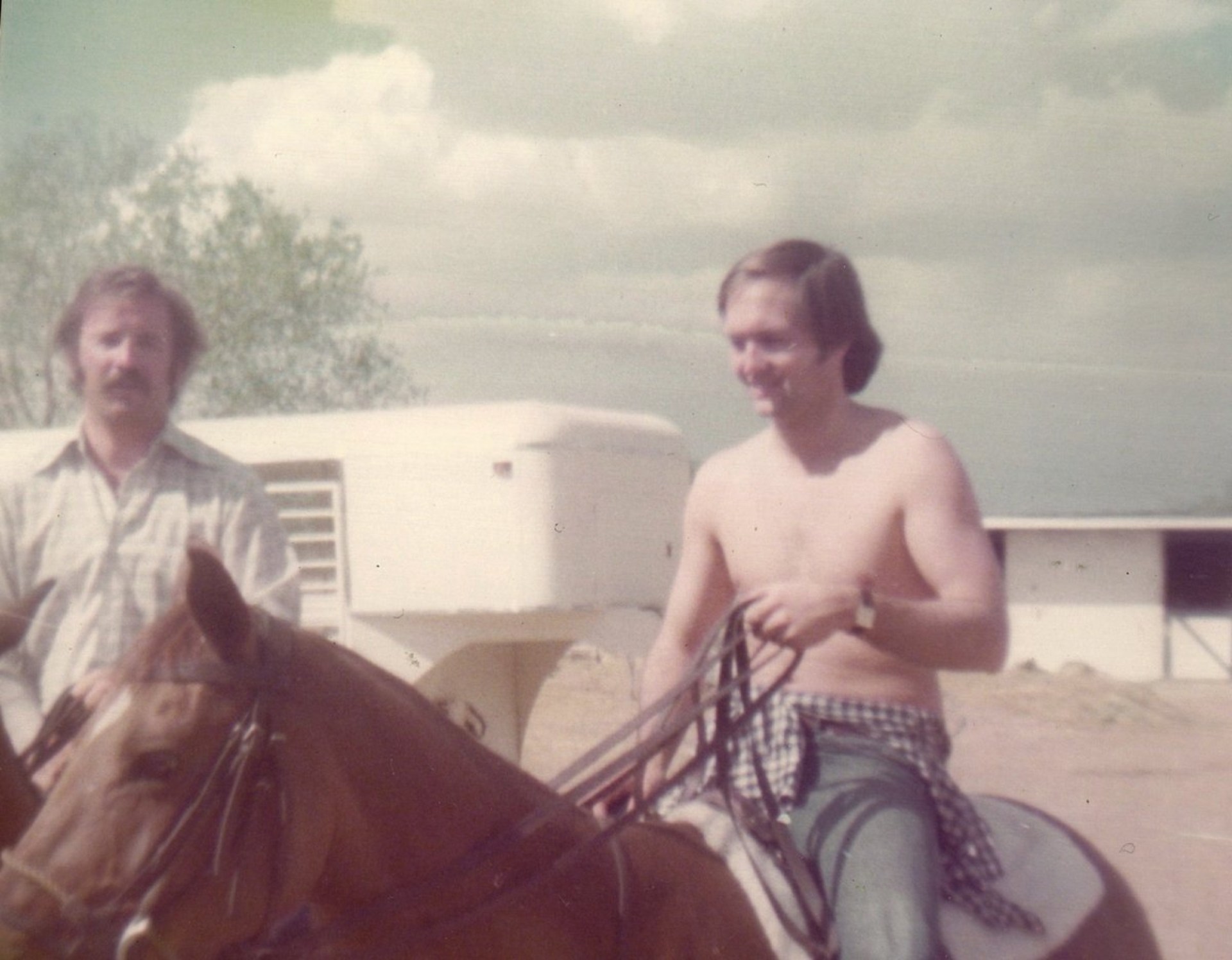
Polo had been in Tim’s blood since he was sixteen, when his best friend Phil Heatley invited him to his father’s polo ranch in Fort Lauderdale. Phil’s father Bud became a lifelong mentor. When Tim asked Bud how to afford polo, Bud gave him three paths: marry money, graduate from an Ivy League school, or find your Velcro. As a C-minus student without an Ivy League degree, Tim knew there was only one real option.
Throughout his thirties, Tim borrowed horses wherever he could. He once drove an hour and a half each way from New Orleans to Baton Rouge to play seven minutes of polo. That is how addictive the sport is, he says.
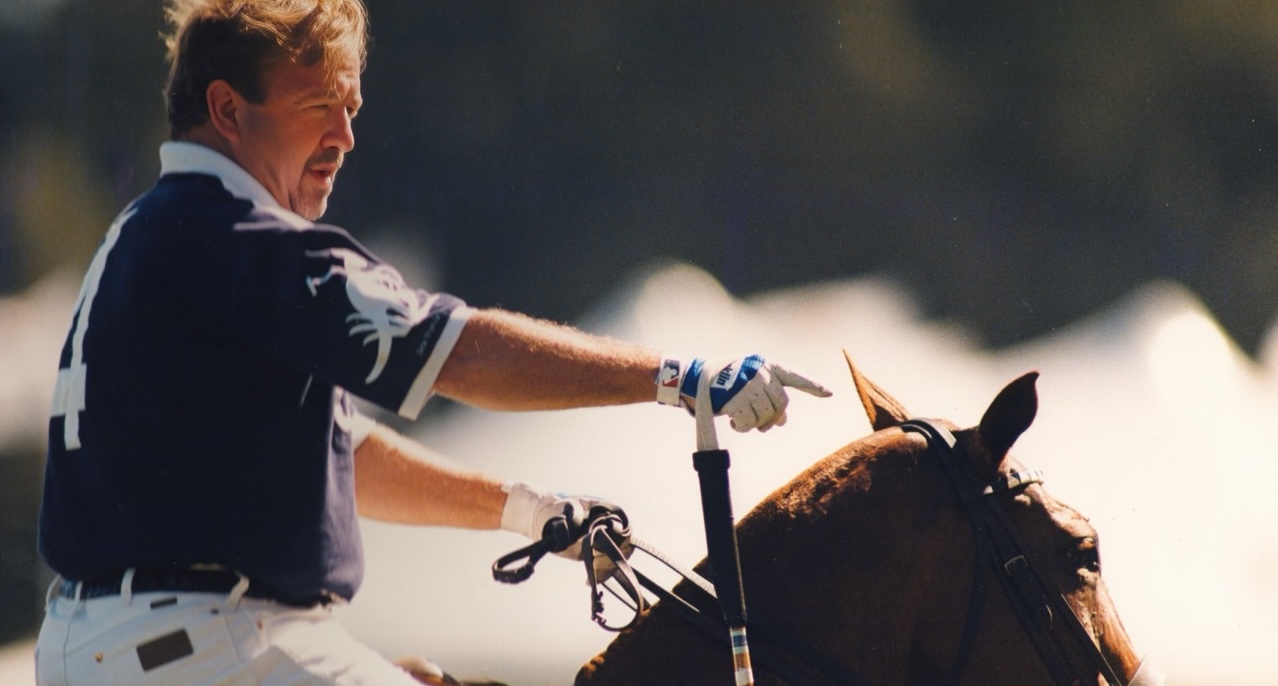
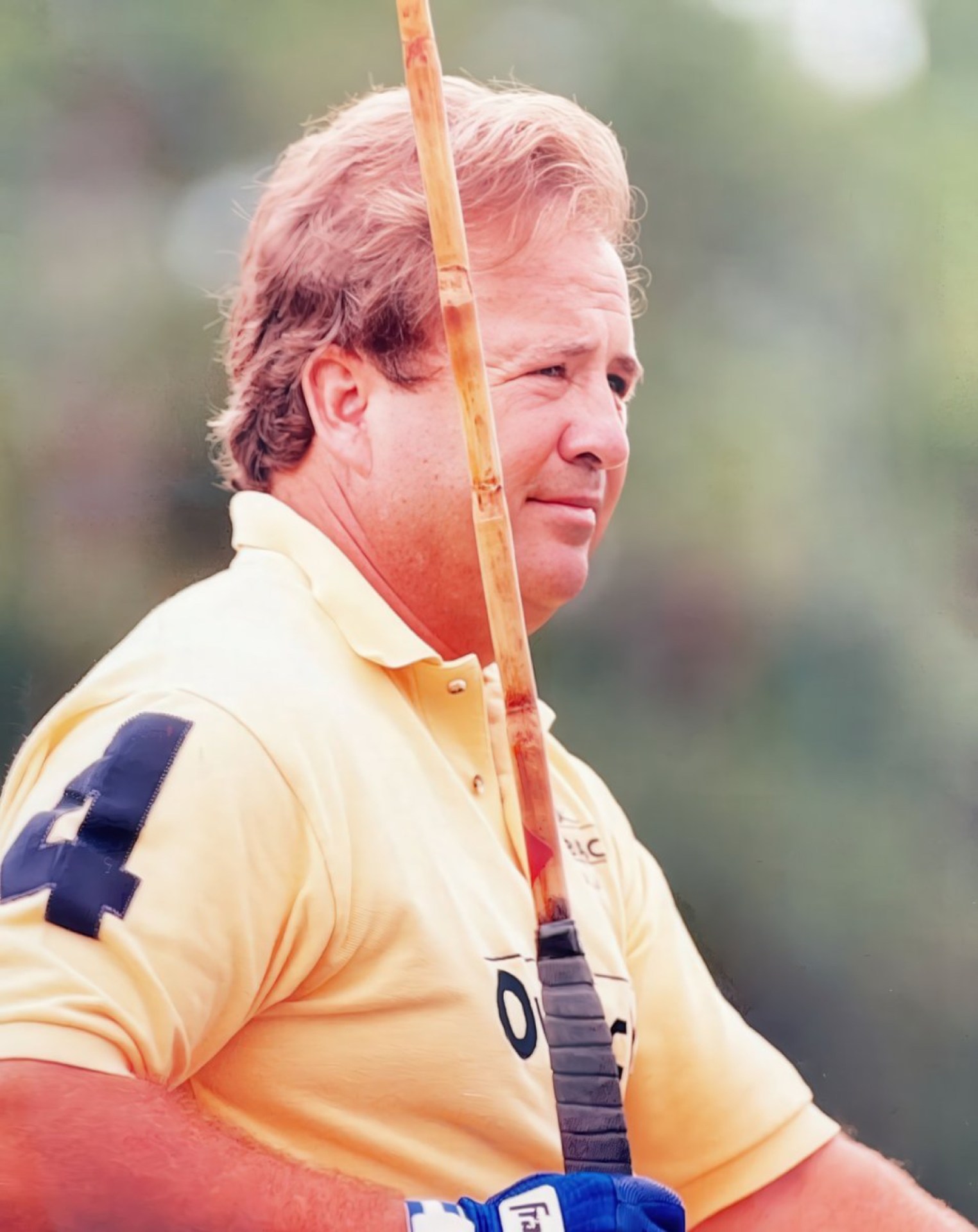
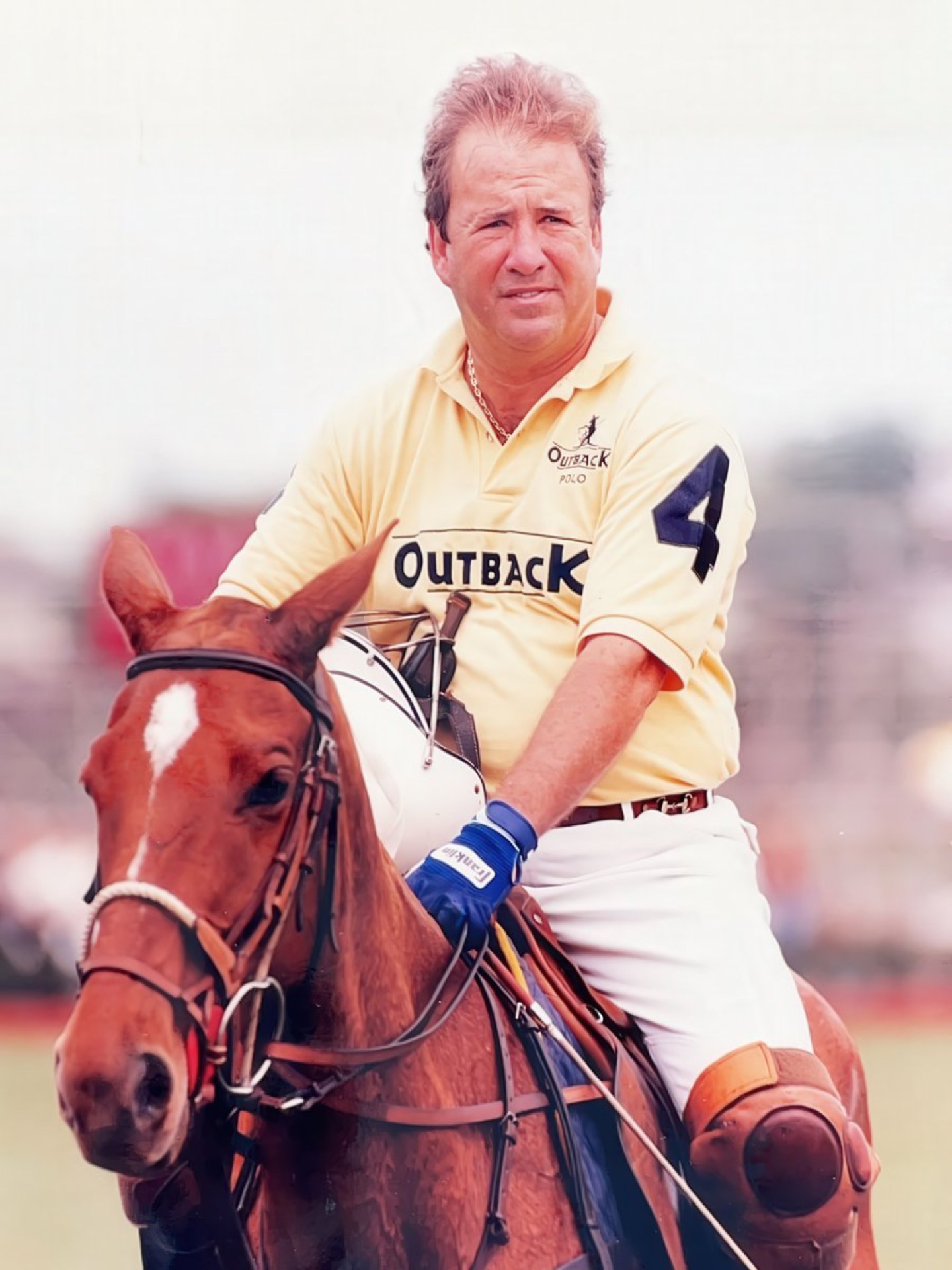
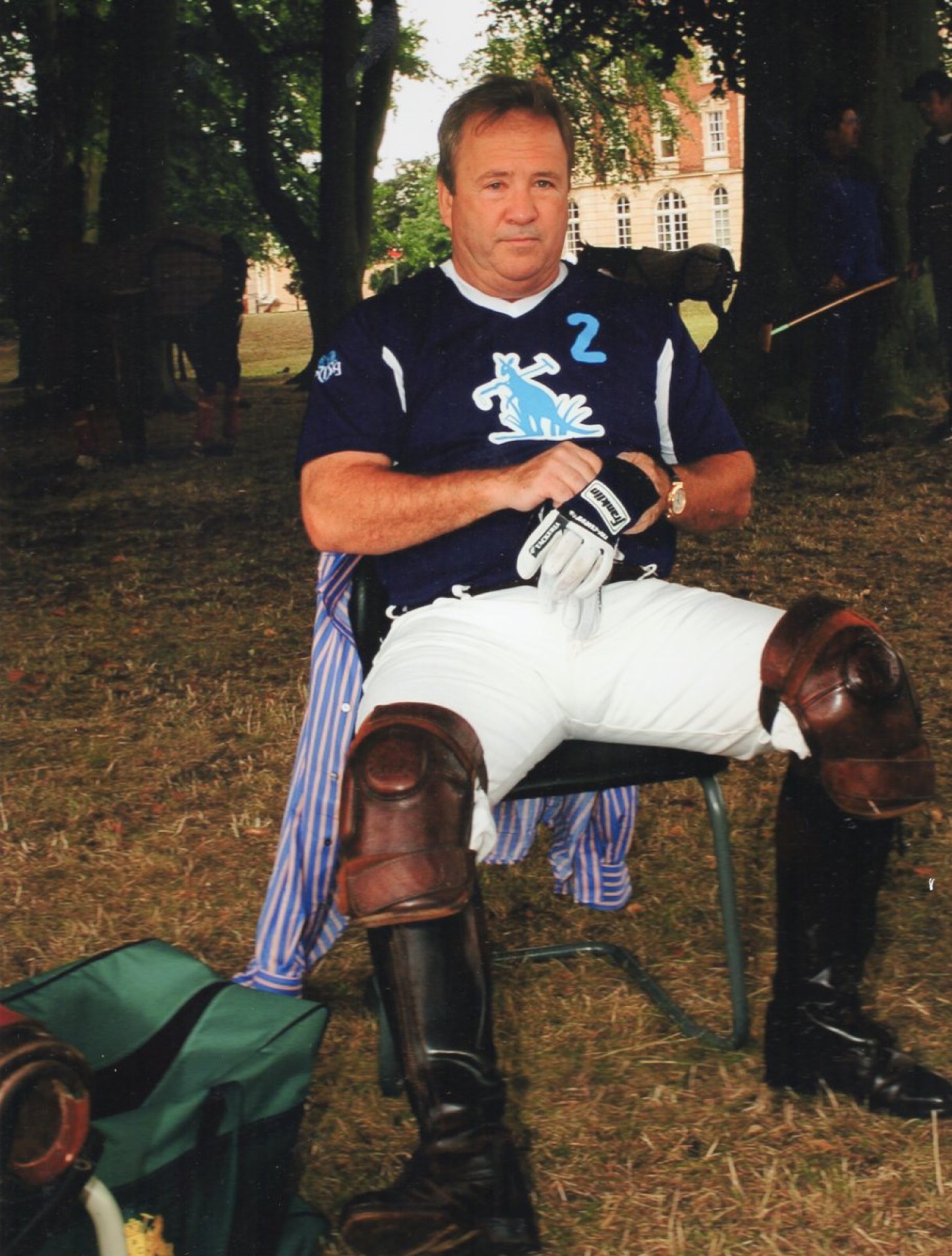
With Outback’s success, everything accelerated. Tim started the company at forty. He took it public at forty-three. He began playing polo seriously at forty-two. By forty-five, he had won his first U.S. Open Championship.
He did not consider himself a great polo player. What he was, by his own assessment, was a great team builder. The same instinct that assembled the right partners at Outback, each person contributing their specific genius, translated directly to building polo teams.
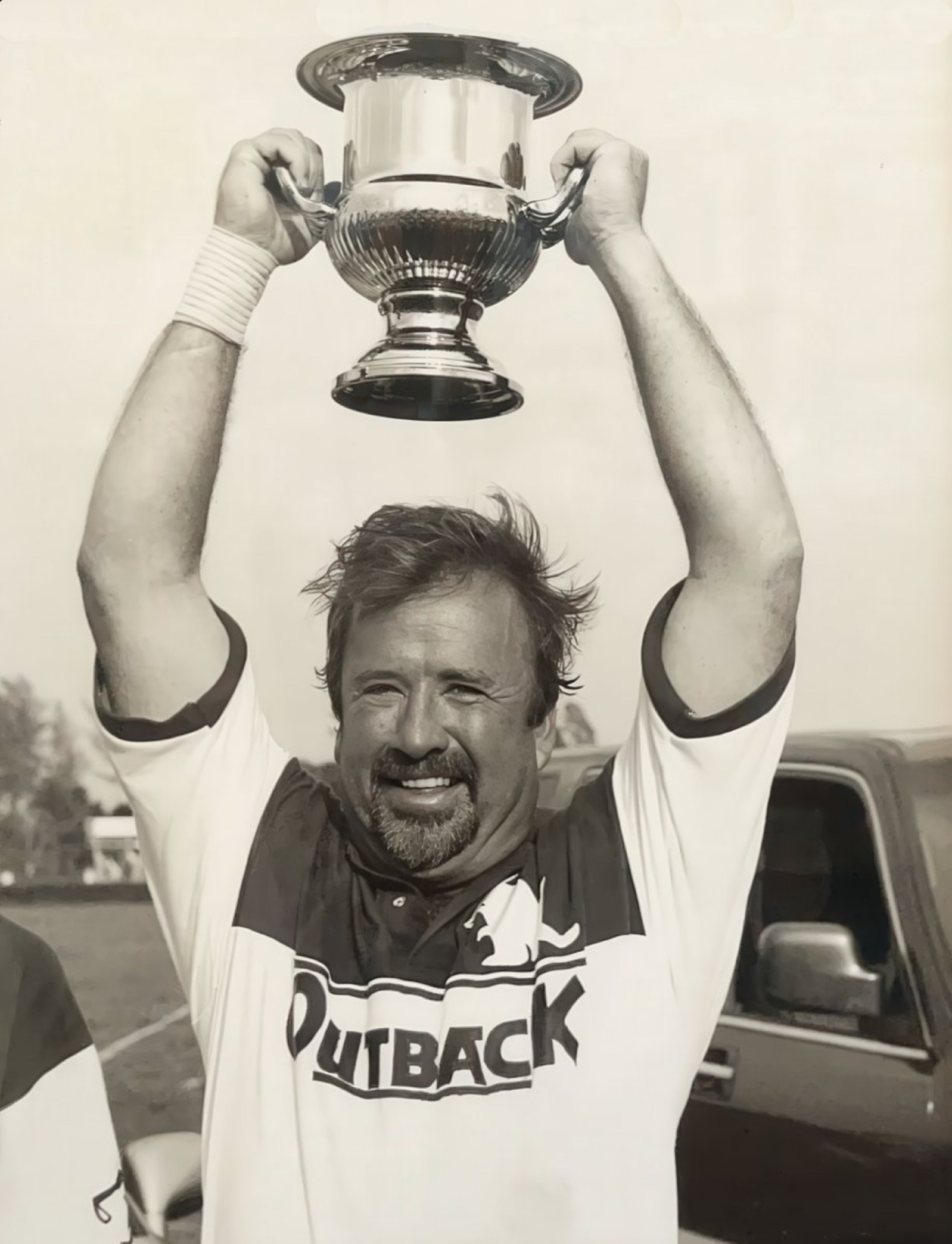
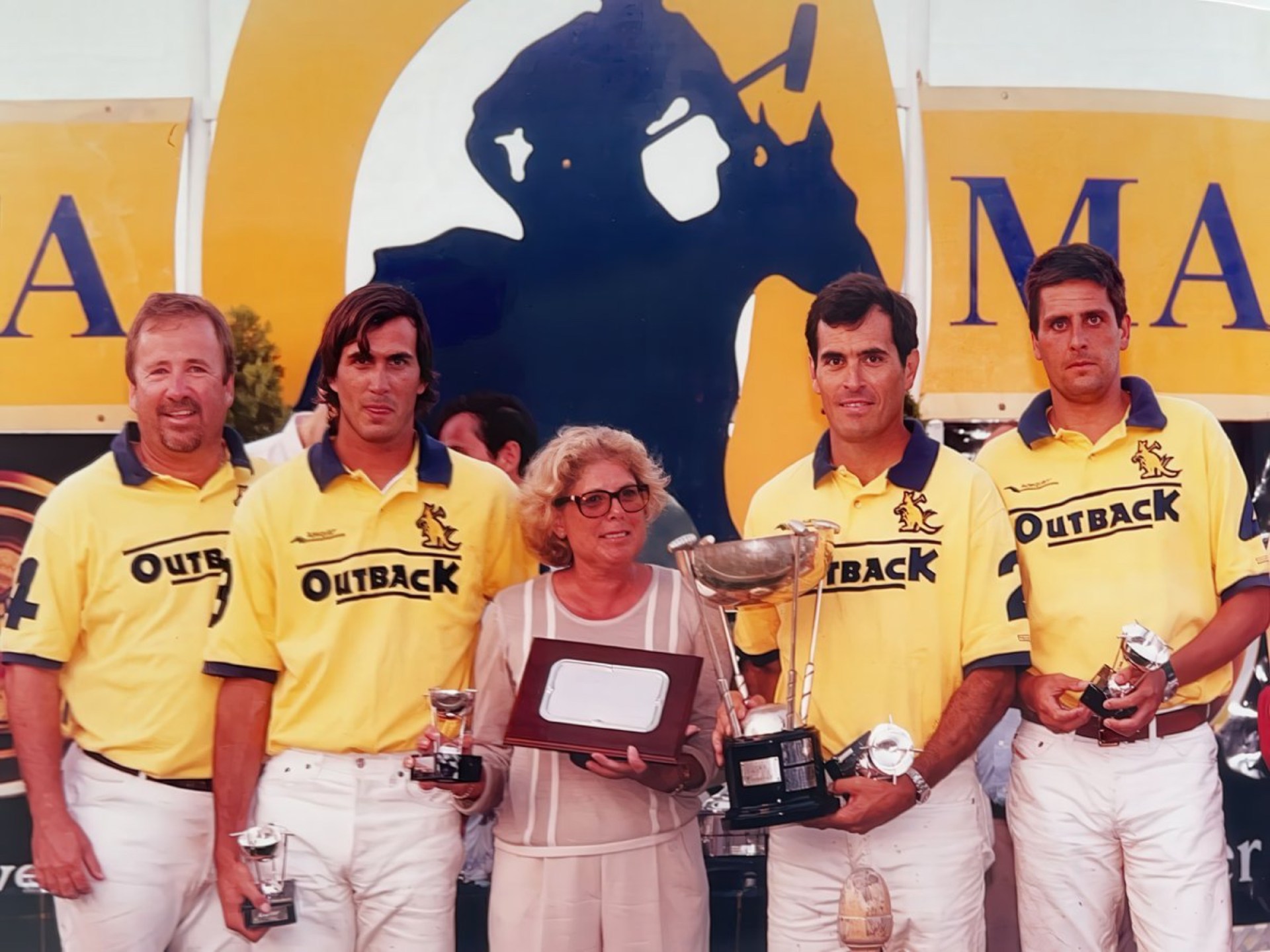
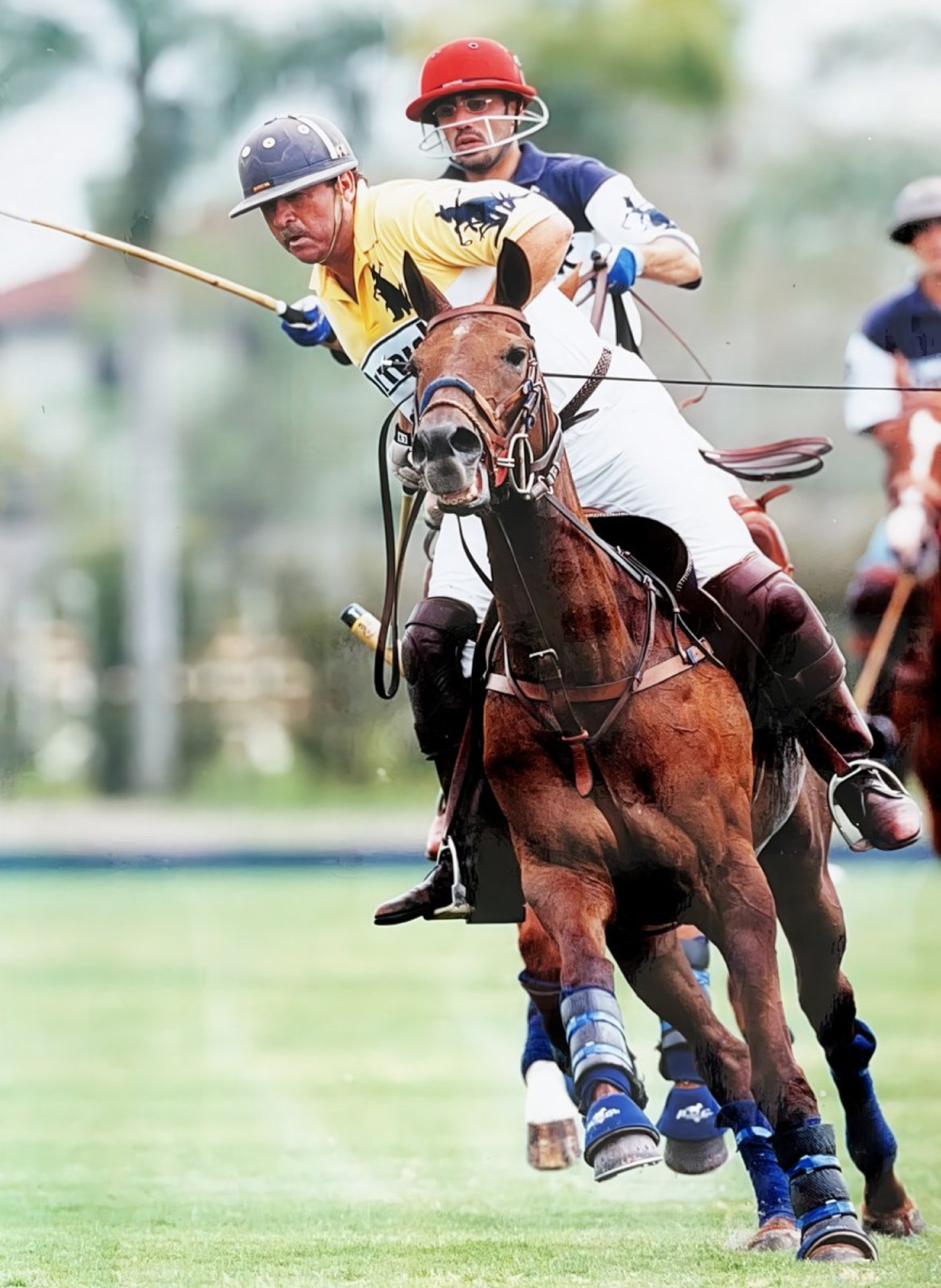
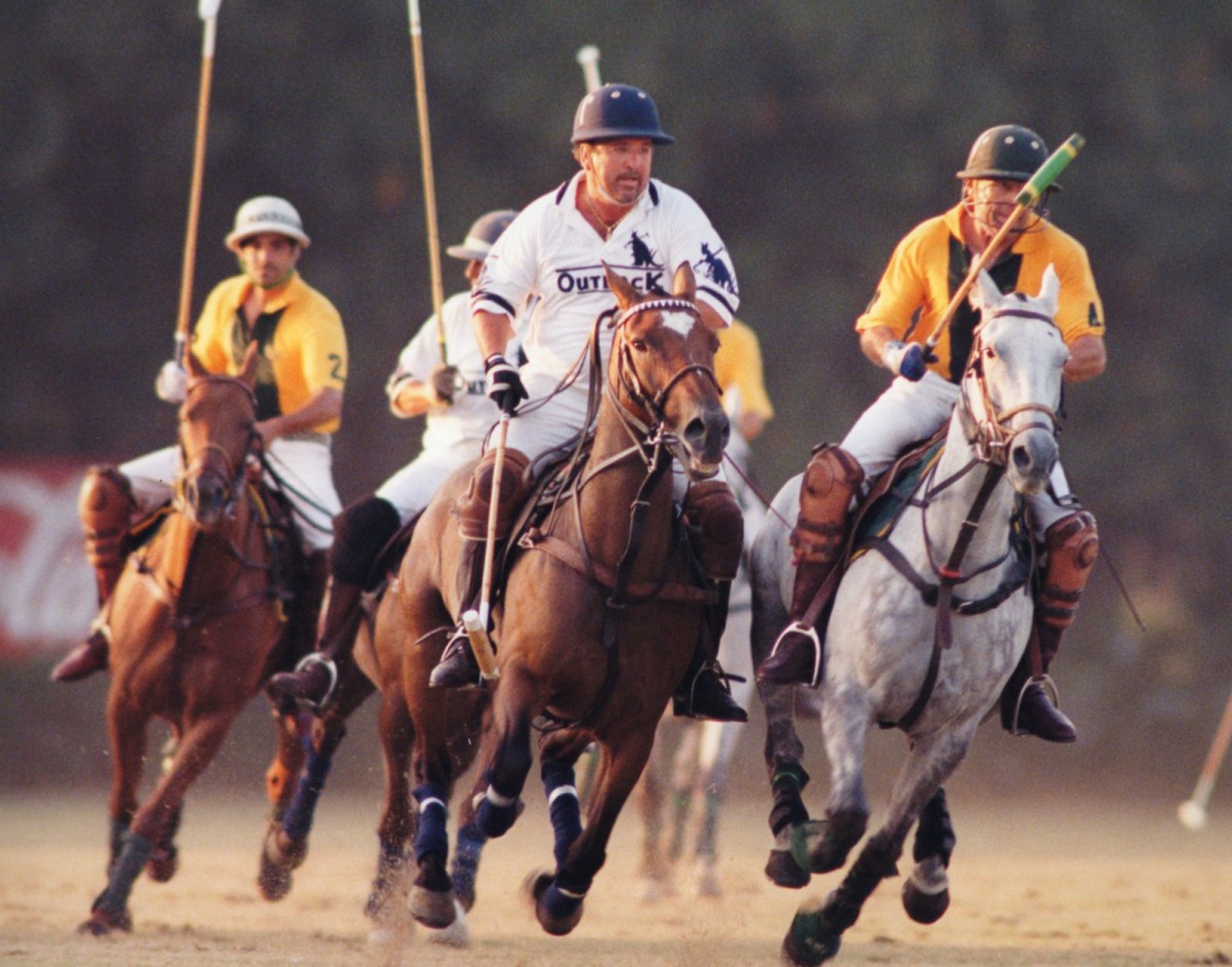
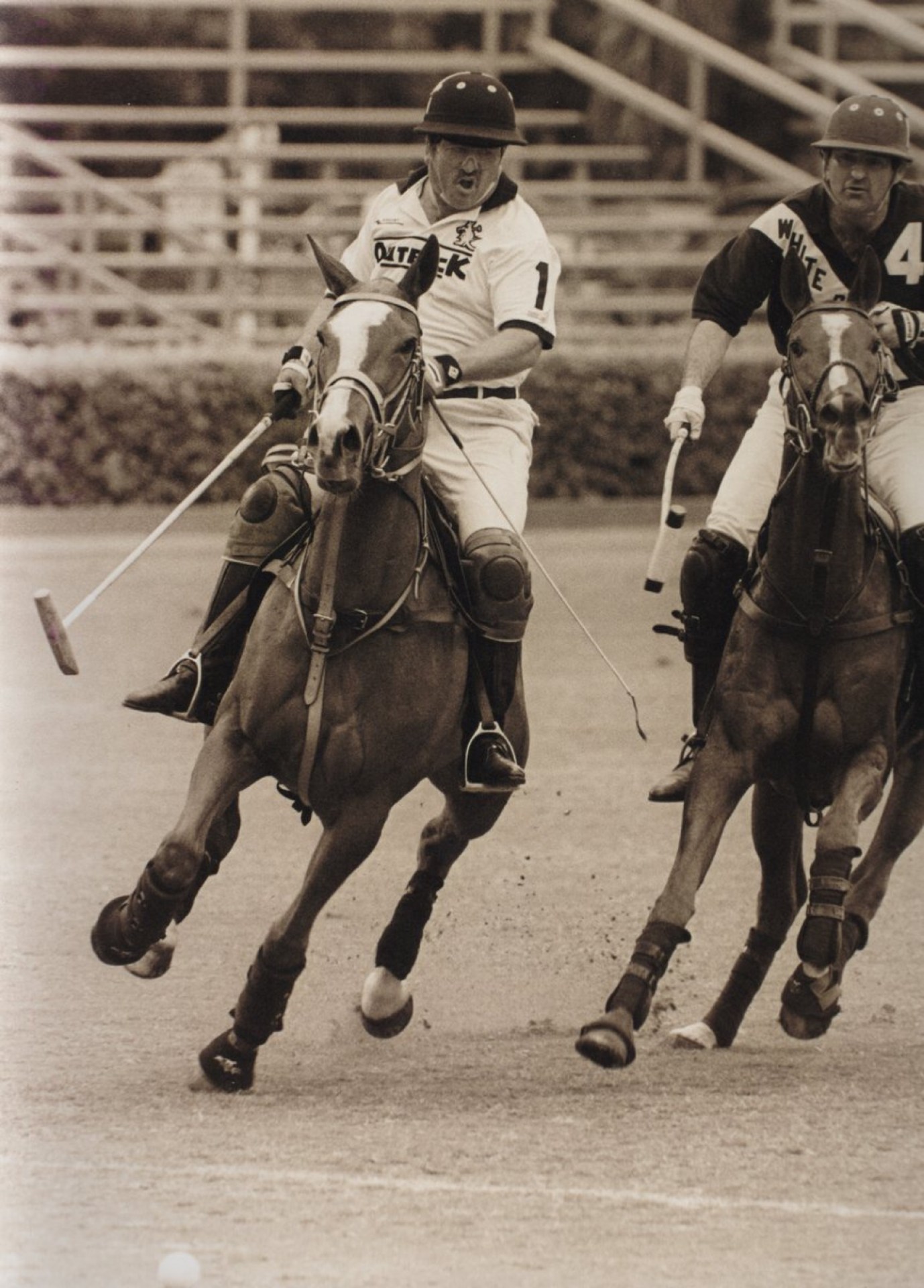
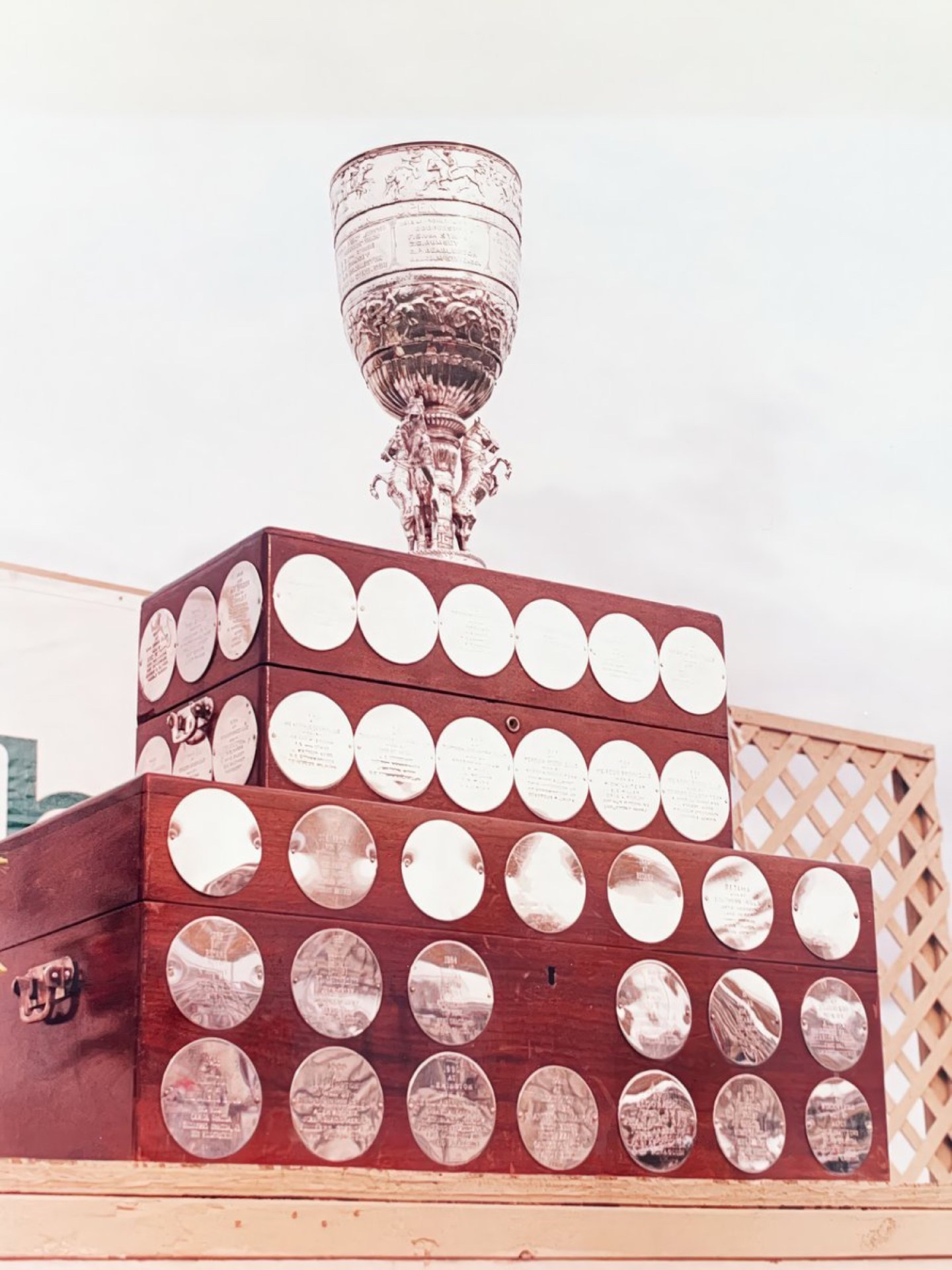
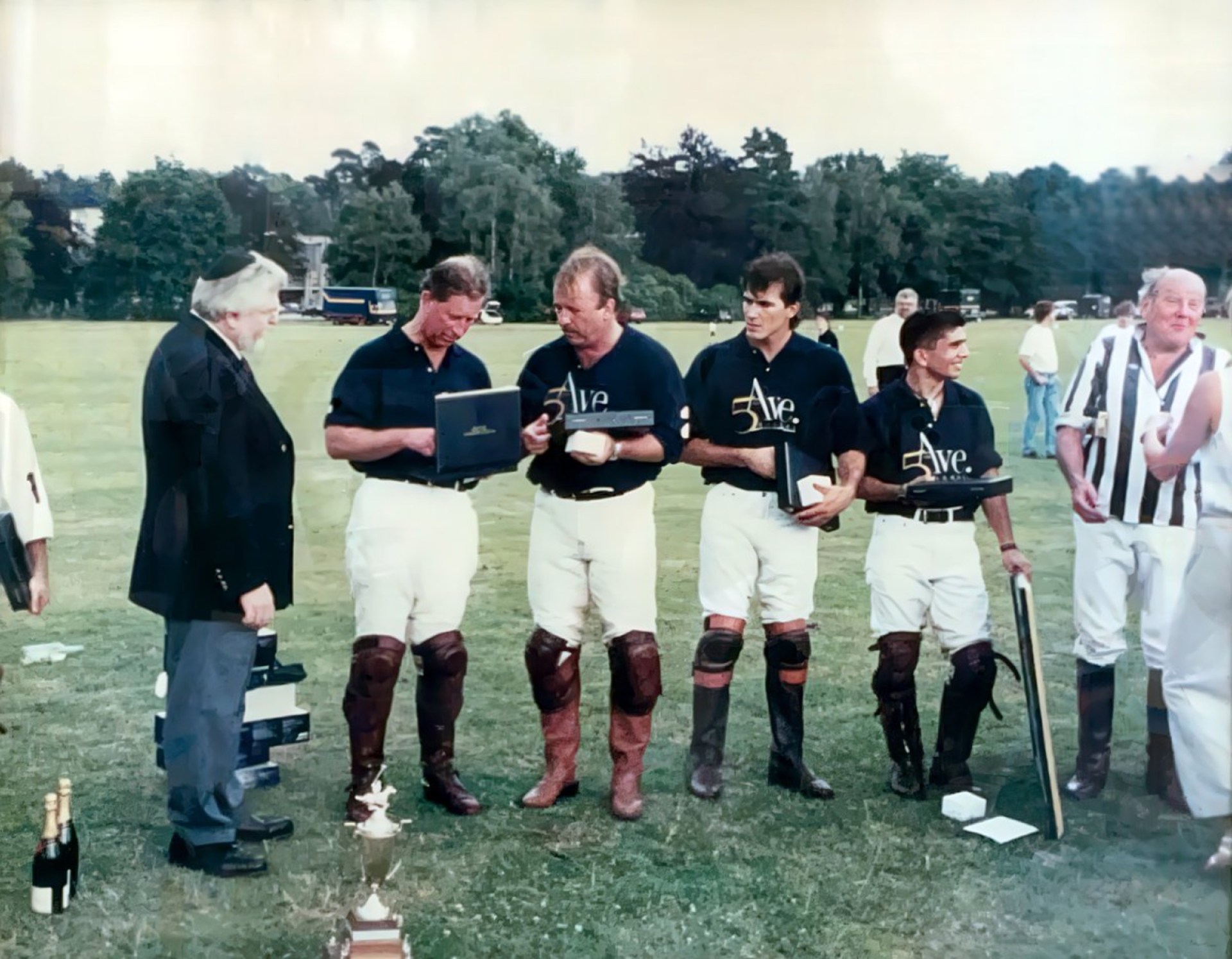
In 1995, Tim assembled a team with Memo Gracida, Sebastian Merlos, and Julio Arellano for his first U.S. Open entry at Bethpage State Park in New York. They defeated a team led by a nineteen-year-old Adolfo Cambiaso by nine goals in the finals.








Champagne Under the Statue of Liberty
After that first U.S. Open victory, Tim brought his yacht up to New York. Under a full moon, he drank champagne from the hundred-year-old silver cup beneath the Statue of Liberty, with Bud Heatley as his coach and Phil Heatley at his side. The boy from Fort Lauderdale who had sold newspapers at ten years old had come full circle.
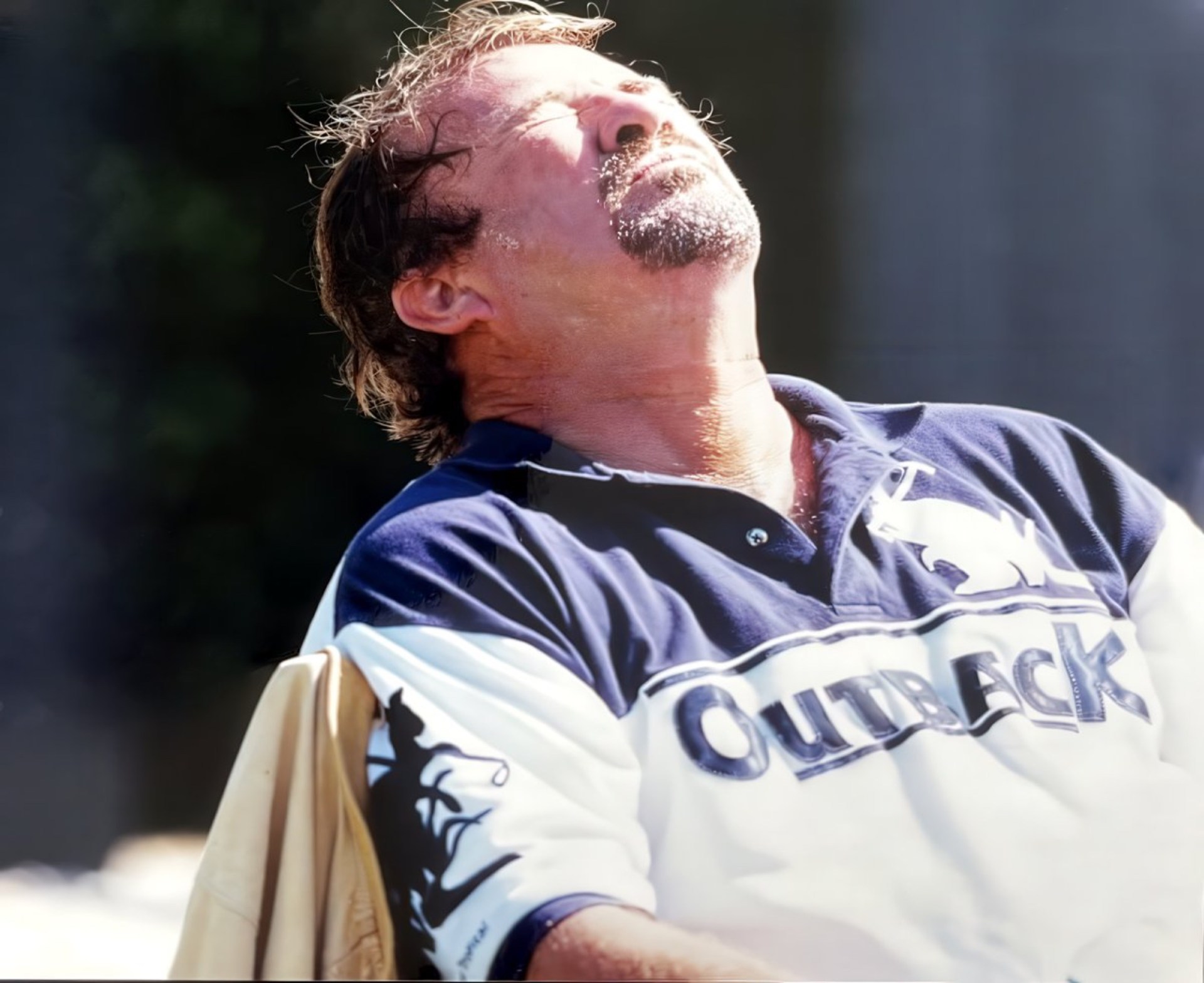
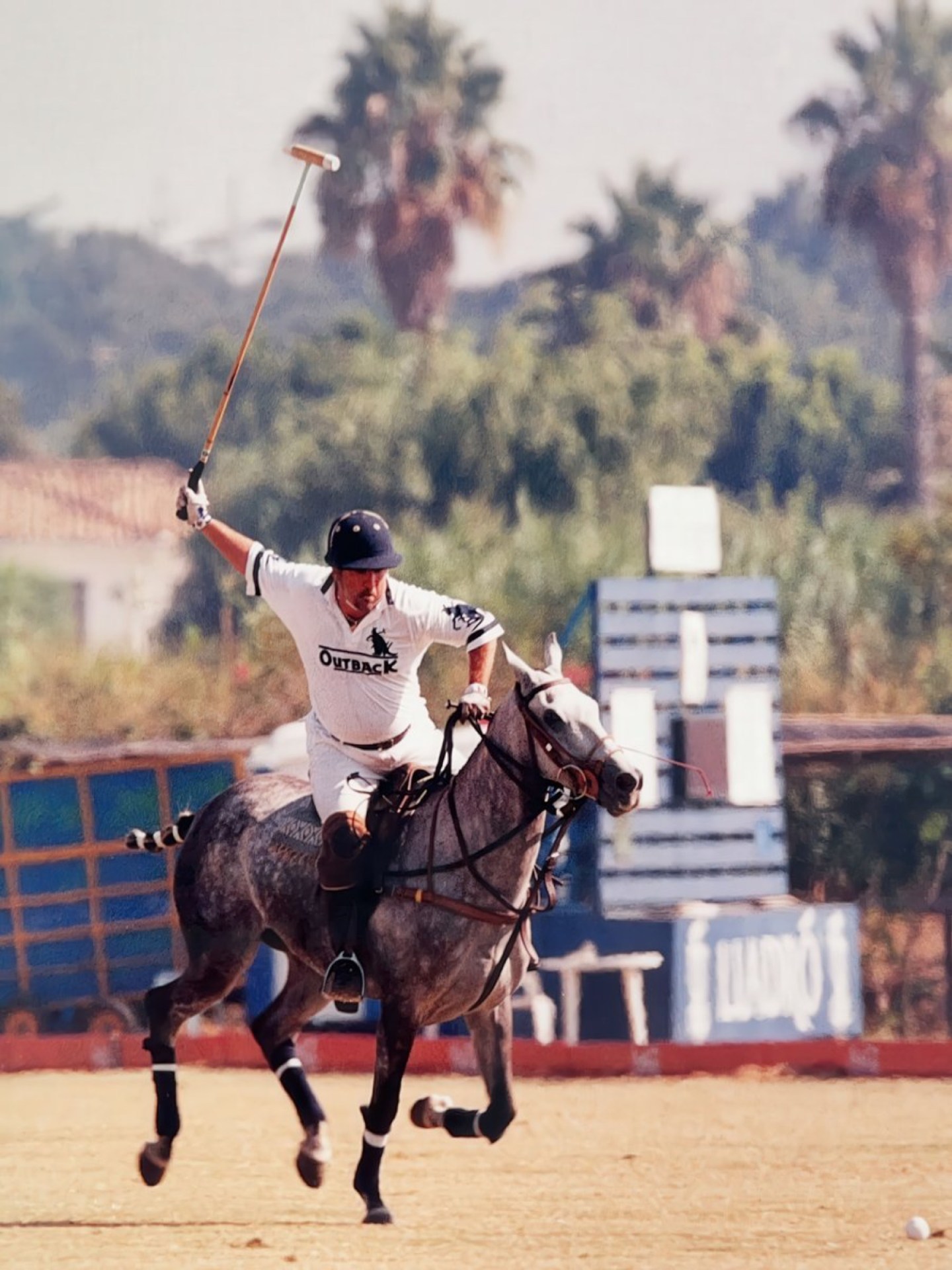
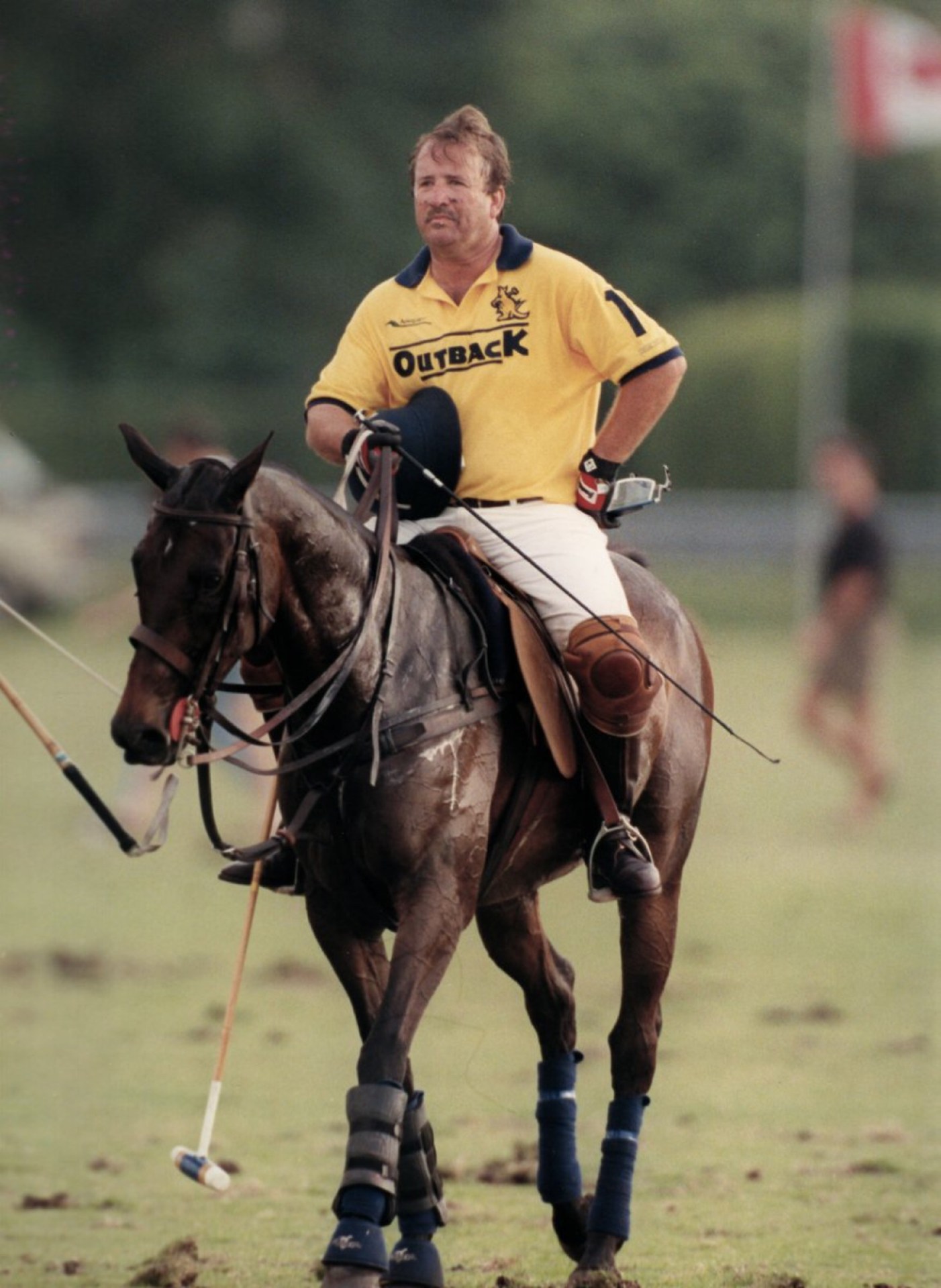
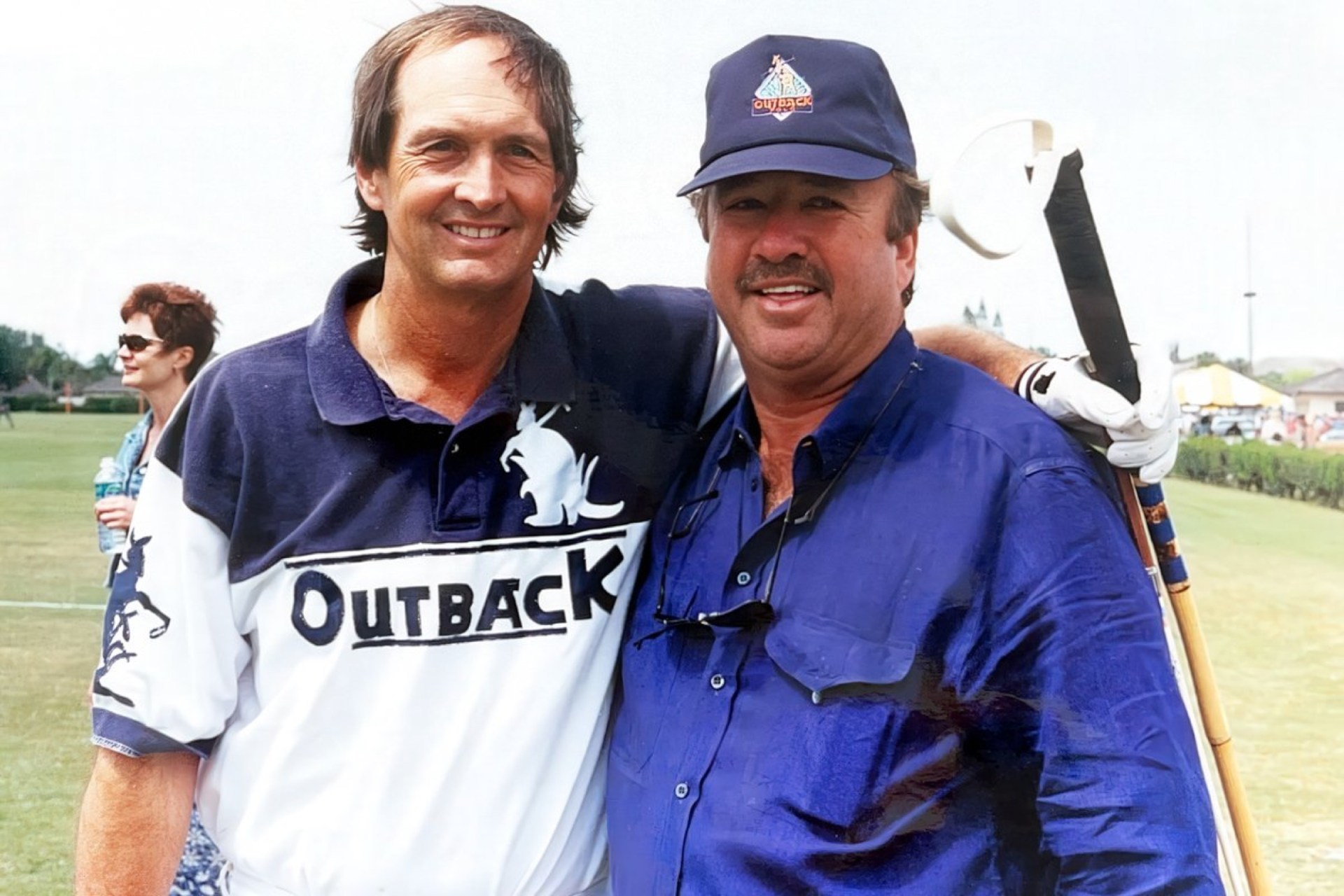
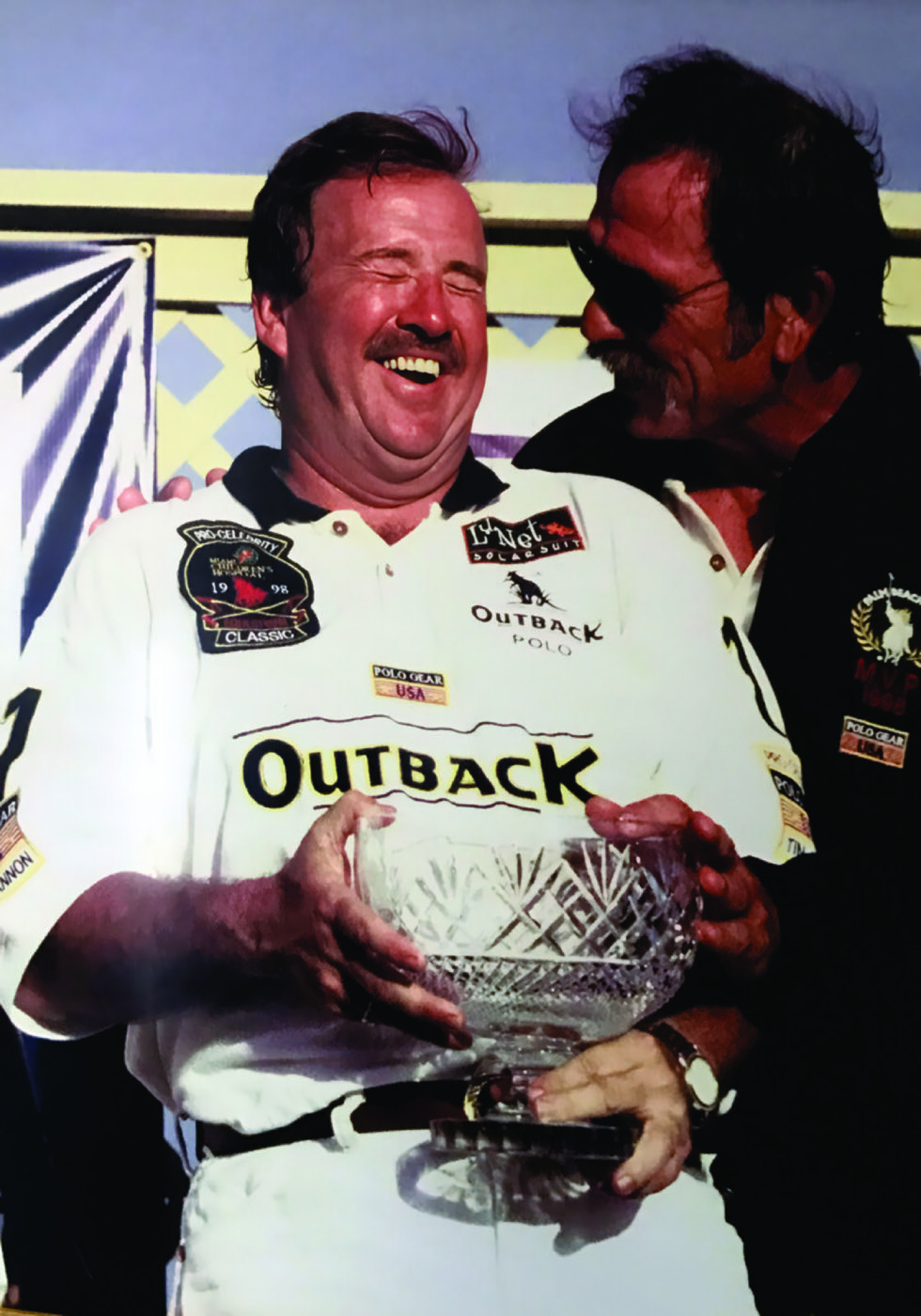
He won five U.S. Opens in total, two consecutive followed by three more in a row. His team won everything they entered, including the Silver and Gold Cups in Spain. By 1999, at the age of fifty, Tim Gannon was ranked number one in the world in polo. It was an extraordinary achievement for someone who had only been in the sport for ten years.
The secret was not just talent but generosity. When Adolfo Cambiaso, by then the greatest player in the world, was fired from his team by billionaire Kerry Packer for refusing to accept a player he knew was not ready, Cambiaso called Tim. He had no horses and no team. Tim loaded eight top polo horses onto a plane that weekend and sent them to Argentina, no contract, no paperwork.
His best friend Phil warned him he would never see those horses again. Tim knew that was likely true. When Cambiaso won the Argentine Open with those horses, he called Tim and said: This year I play for free for you.





The Generosity of Giving Up Your Spot
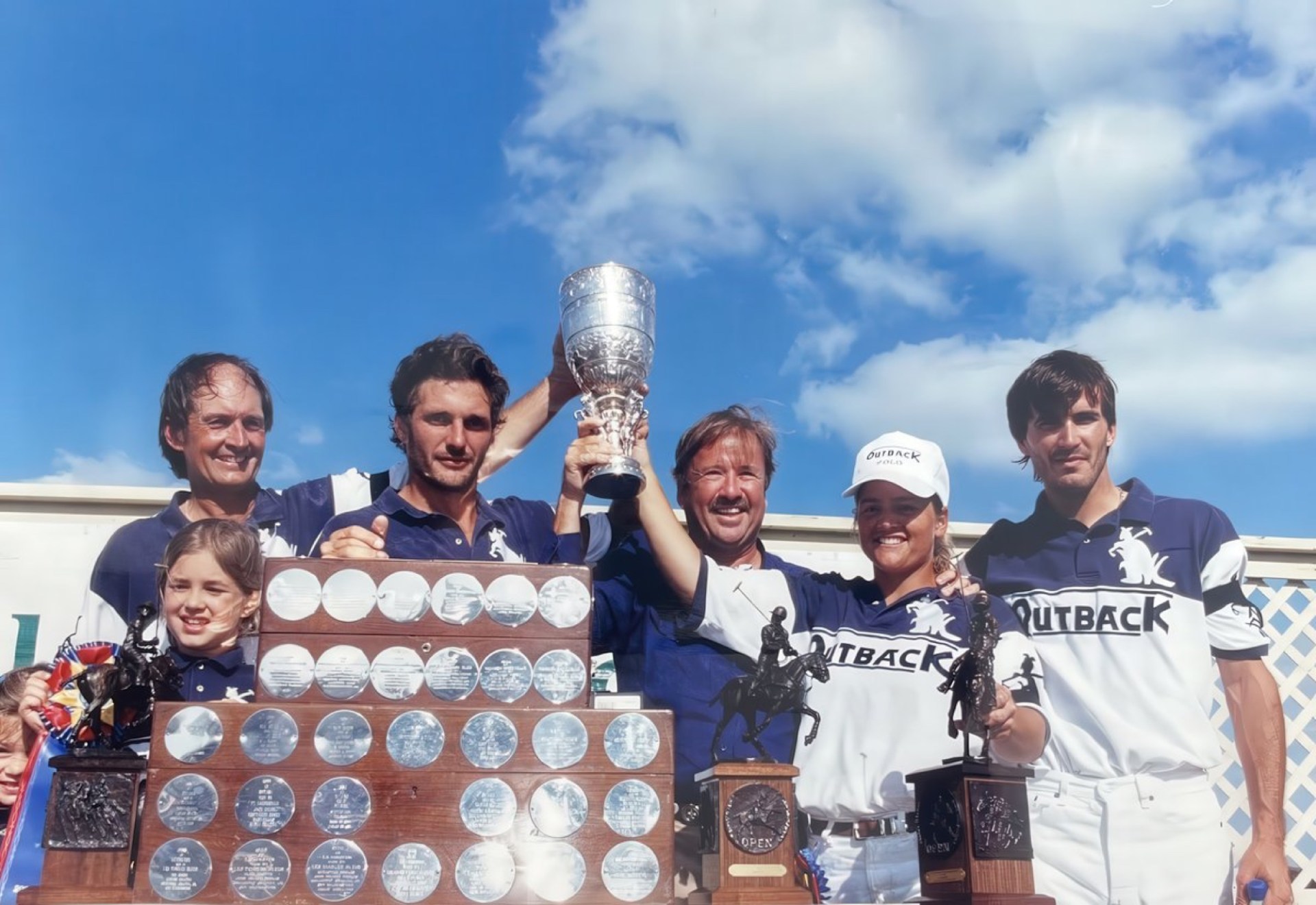
In the year 2000, facing his fourth U.S. Open, Cambiaso told Tim the current team would not win. He wanted to bring in Sunny Hale, a female polo player whom men in the sport universally respected for her extraordinary horsemanship. Cambiaso explained his reasoning: She is ranked four goals, but she thinks like a ten-goaler.
The roster change meant Tim could step aside. He realized this was the perfect moment to give his spot to Phil Heatley, the best friend who had introduced him to polo at sixteen, whose father had been his coach, who had ridden with him in a 1957 Chevrolet to El Paso, Texas, to learn the sport. Phil won the U.S. Open that year.
The following year, Tim put his son Chris on the team instead. Chris won the Open with Cambiaso. Father and son later played together at Palermo in Buenos Aires, winning the Masters Cup before 35,000 people.
Those were probably two of the most generous acts of my life, Tim reflects. Once you win something great and then you do it with your son, it multiplies it by ten.
Sunny Hale, who became an icon for women in polo, was later lost to breast cancer at a young age.
The Philosophy
Tim Gannon describes himself as optimistic to a fault, a diagnosis his mother gave him years ago. She told him it was his Achilles heel, and she was right. His optimism drove every bold decision, from tearing up the million-dollar check to sending horses to Argentina without a contract.
But he acknowledges the cost. When you are optimistic to a fault, you think things are going to go great, but you have not done all your homework about how they are going to go great or about people. If he could do anything differently, he says, he would be more cautious about the people he chose to partner with. But then he catches himself: that same caution might have stopped him from doing the great things in the first place.
On retirement from competition, Tim is candid. He warns fellow athletes to be careful when they walk away. The adrenaline, the accolades, the structure of training and competing, all of it vanishes. You have to find something else to replace it, he says, and you have to keep the imposters away. Alcohol, drugs, those are not the real adrenaline boosters.
His sister gave him the best advice on aging out of a sport: You watch and get the joy from the next generation. He is starting to understand that, though he admits it is not easy.
What Remains
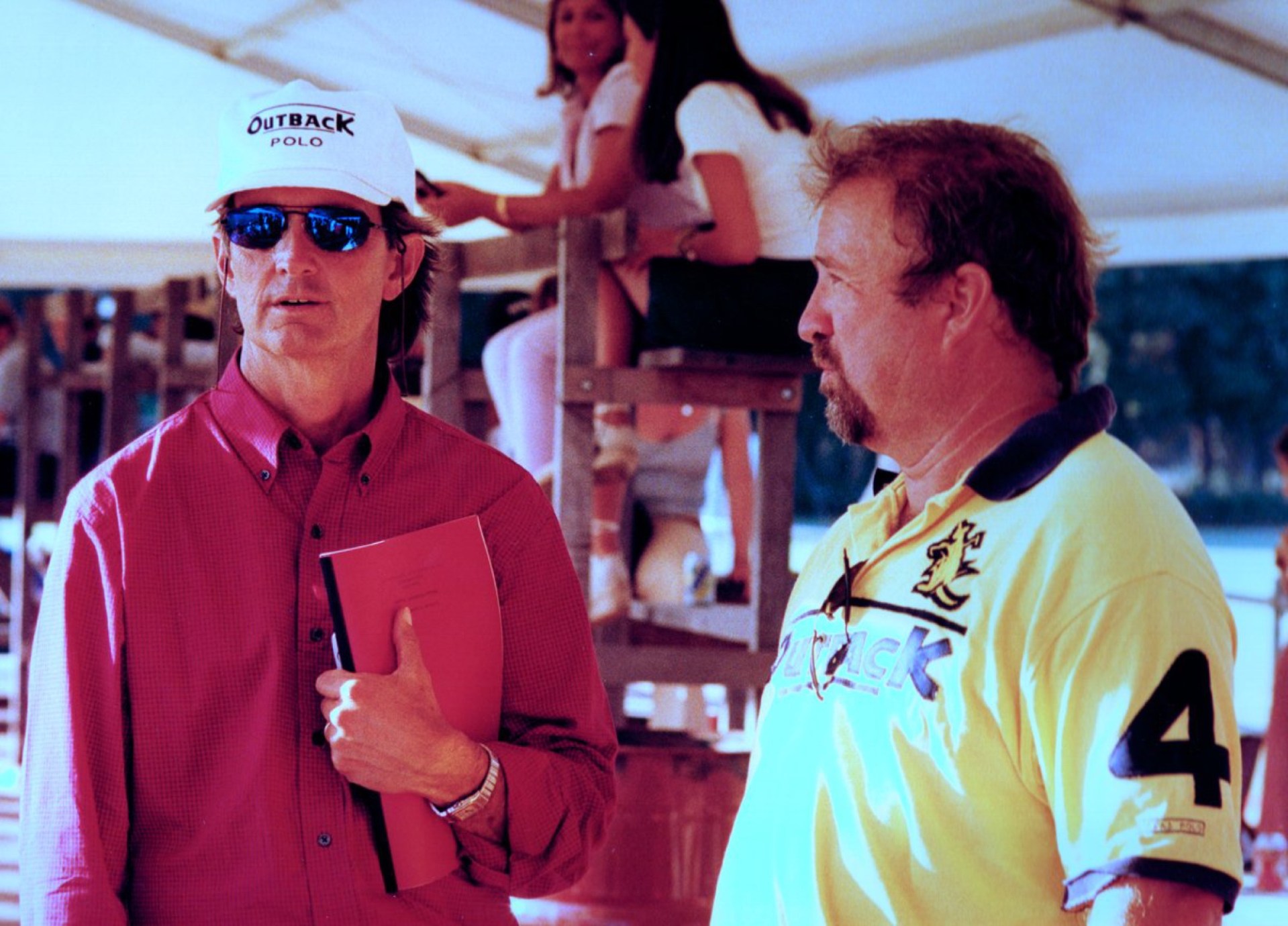
Today, Tim is member number one at the National Polo Club in Wellington, the club he helped start with John Goodman. He is a member of the Polo Hall of Fame. At his induction dinner, he asked every person in the room who had played on an Outback team over thirty years to stand. Half the dining room rose to their feet.
He brought the saddle to that dinner, the same one Bud Heatley had given him at sixteen, the one he sold for two hundred and fifty dollars in gas money on his way to Tampa, the one he bought back for a thousand dollars when the seller figured out the story, the one he rode to five U.S. Open victories. He presented it to his son Chris and told him: This saddle has done me well. I want you to carry it, and I hope the karma rubs off into your life.
Tim still dreams of bringing Wellington’s equestrian disciplines together, polo, show jumping, and dressage, into the unified sporting capital that its founder, Bill Ylvisaker, always envisioned. He cooks Italian dishes with his girlfriend Shannon, whom he has known for twenty-five years. He plays tennis, though it does not bring the same thrill.
He was once going to write a book. The title he chose captures everything about the way he has lived: Don’t Forget to Send the Elevator Back Down.
Special Thank You
Special thank you to Tim Gannon for sharing his extraordinary story with Worth the Price of Admission. From Fort Lauderdale to Florence, from New Orleans to the polo fields of Wellington and Buenos Aires, his journey is a reminder that the most remarkable lives are built not on inherited advantages but on the courage to keep reinventing yourself.
If you enjoyed Tim’s story, explore more interviews on Worth The Price of Admission: Doug Payne: From Engineer to Olympic Rider, Tony Orlando: A Journey of Music and Service, and Lindsay Berra: Carrying the Berra Legacy.